
Healthcare Resources
Stay informed with practical insights, articles and best practices across allied health, informed by practitioners in the field.
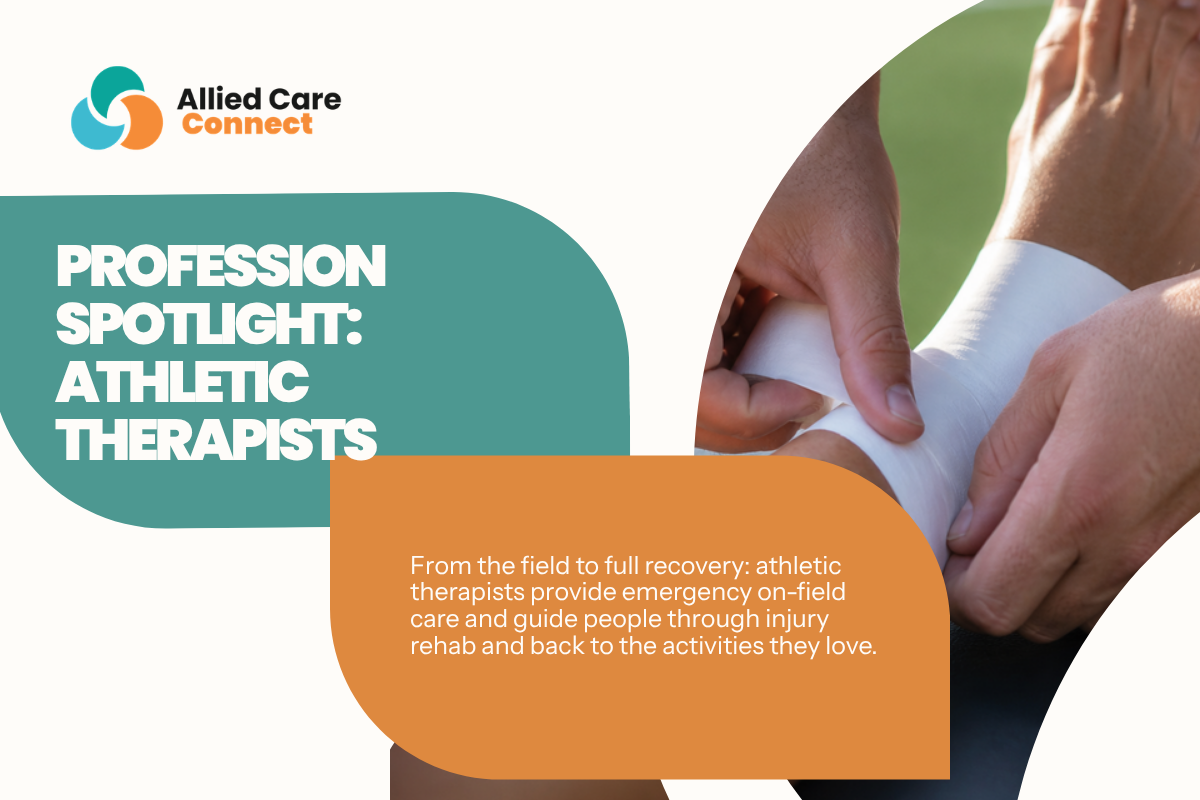
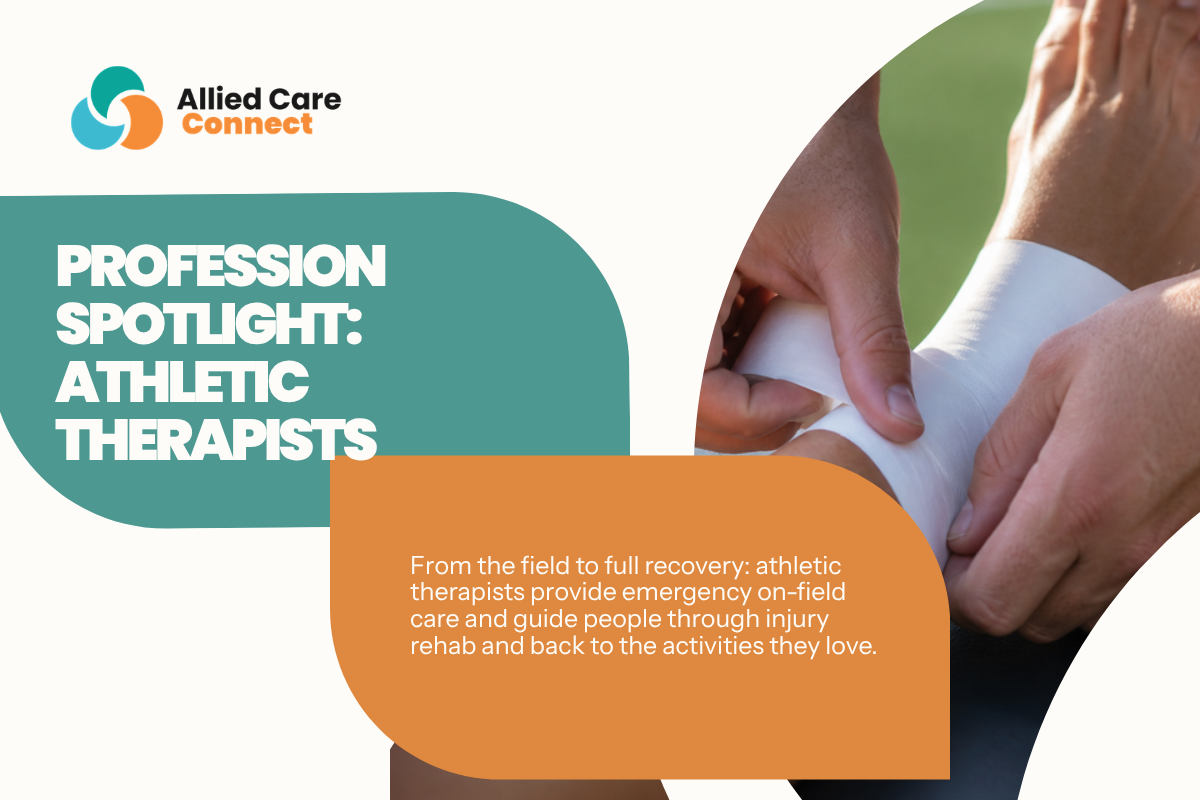
Profession Spotlight: Athletic Therapists
One of the goals of Allied Care Connect is not only to make allied health practitioners more visible to the public, but also to help practitioners better understand each other’s work.
Today we are featuring Athletic Therapists
Athletic therapists are experts in musculoskeletal injuries, from the first moment an injury happens all the way through to a safe return to activity. They are often the first health professional on the scene when someone gets hurt on the field, the court, or the ice, and they are trained to provide emergency and on-field care. Back in the clinic, they assess injuries, guide rehabilitation, and help people get back to the sport, work, and activities they love.
In Canada, the Canadian Athletic Therapists Association (CATA) is the organization that certifies athletic therapists nationwide. To earn that certification, someone first completes a bachelor’s degree and an Athletic Therapy program at one of ten schools CATA has accredited. That program includes hands-on training both on the field and in the clinic.
After graduating, candidates also need to:
• pass CATA’s National Certification Examination, a written test of 200 multiple-choice questions
Once they have met those requirements, they can use the title Certified Athletic Therapist, shown as CAT(C) after their name.
Certification doesn’t end there. To keep it, athletic therapists complete 21 continuing education credits every three years and hold a valid Basic Life Support certificate, which is renewed each year.
Athletic therapists use a range of approaches tailored to the individual’s needs, including:
• injury assessment at the side of the field and in the clinic
• taping, bracing, and protective equipment
• manual therapy and soft tissue techniques
• individualized exercise and active rehabilitation programs
• return-to-sport and return-to-work testing and planning
• education on injury prevention, conditioning, and load management
Depending on the person’s needs, athletic therapists may support areas such as:
• concussion recognition, management, and graduated return to activity
• recovery after surgery, such as ACL or shoulder repairs
• overuse and repetitive strain injuries
• back, neck, and joint pain
• recovery from workplace injuries and motor vehicle collisions
• injury prevention and staying active safely
• weekend warriors and active adults
• people recovering from injury or surgery
• workers returning to the job after an injury
• dancers, performers, and other physically demanding professions
• teams, schools, and event organizers who need on-site care
A first visit usually starts with questions about your health history, how the injury happened, and what you want to get back to. Your athletic therapist will then assess how you move, test your strength and range of motion, and look closely at the injured area. They will explain what they found and build a plan that fits your goals, which might include hands-on treatment, taping, and exercises you can do at home, and they will ask for your consent and check in as you go. Many extended health plans cover athletic therapy, so it is worth checking your benefits.
Athletic therapists work in sports medicine and multidisciplinary clinics, on the sidelines with sports teams, at universities and colleges, at community and professional sporting events, and in workplace health programs. Many work alongside physiotherapists, kinesiologists, chiropractors, massage therapists, and family doctors as part of a client’s circle of care, referring to each other when someone needs something outside their scope. You can find athletic therapists right here on Allied Care Connect, where you can browse their profiles, specialties, and approach to care.
So there you have it, Athletic Therapists in a nutshell. If you are curious to learn more, feel free to connect and network with the athletic therapists listed on Allied Care Connect.

Healthcare works best when it works together

Healthcare works best when it works together.
No single practitioner has all the answers for every patient, and that’s okay. In fact, some of the best outcomes happen when healthcare professionals bring their different areas of expertise together to support a person’s overall health and well-being.
Whether someone is recovering from an injury, managing a chronic condition, navigating mental health challenges, or working toward long-term wellness, collaborative care can make the journey smoother and more effective.
As healthcare continues to evolve across Alberta and Canada, interdisciplinary care is becoming more than a nice idea - it’s starting to become recognized as an essential part of patient-centred care.
Interdisciplinary care simply means healthcare providers working together to support a shared patient. From the patient perspective, it can be known as their “circle of care.” Instead of treating one concern in isolation, practitioners communicate, share relevant information (with patient consent), and coordinate care so their expertise complements one another.
A patient’s care team might include:
• A massage therapist supporting pain management.
• An occupational therapist helping the patient regain independence at home or work.
• A psychologist providing strategies to cope with the emotional impact of recovery.
• A dietitian supporting healing through nutrition.
• A family physician overseeing the patient’s overall medical care.
Each provider sees the patient through a different lens, but together they create a more complete picture.
Patients often don’t experience health challenges in neat, isolated categories. Someone living with chronic pain may also be experiencing anxiety. A concussion can affect physical, cognitive, and emotional health. A child receiving speech therapy may also benefit from occupational therapy or counselling.
Collaborative care can help:
• Improve communication between providers.
• Help patients navigate the healthcare system more confidently.
• Create more consistent care plans.
• Support better long-term outcomes.
• Help patients feel heard and supported by an entire team.
Most importantly, patients don’t feel like they’re carrying the responsibility of connecting the dots themselves.
While working together clearly is good for patients, it supports allied health practitioners too.
Collaboration creates opportunities to:
• Build trusted referral relationships.
• Better understand the full patient journey.
• Reduce duplication of services.
• Increase confidence that patients are receiving comprehensive care.
Many practitioners say one of the most rewarding parts of their work is being part of a team that shares a common goal: helping people live healthier lives. These strong and aligned professional relationships also create stronger communities, where practitioners know who they can confidently refer to when a patient would benefit from another type of treatment.
Imagine someone recovering after a car accident.
They begin working with a physiotherapist to improve mobility and strength. During treatment, it becomes clear that lingering pain is affecting their sleep, while anxiety about driving again is slowing their overall recovery. The physiotherapist recommends a registered massage therapist to help manage muscle tension and a psychologist to support the emotional side of recovery. The patient’s family physician remains informed about their progress and helps coordinate their overall treatment plan.
Instead of feeling like they’re navigating multiple healthcare appointments on their own, the patient experiences a connected and aligned circle of care.
Having access to a trusted network of allied healthcare professionals makes those referrals easier and helps strengthen collaboration across disciplines. The challenge isn’t recognizing when a patient would benefit from another professional, but rather knowing who to refer them to.
Directories like Allied Care Connect help practitioners like you discover professionals with different areas of expertise. By helping allied healthcare professionals become more visible and connected, we’re supporting stronger referral networks, more informed patients, and ultimately, better care for communities across Alberta and Canada.
When healthcare works together, everyone benefits.
Bridging the Years: Allied Care Connect at the ATRA Symposium 2026
Written by: Valerie Bautista, CTRS
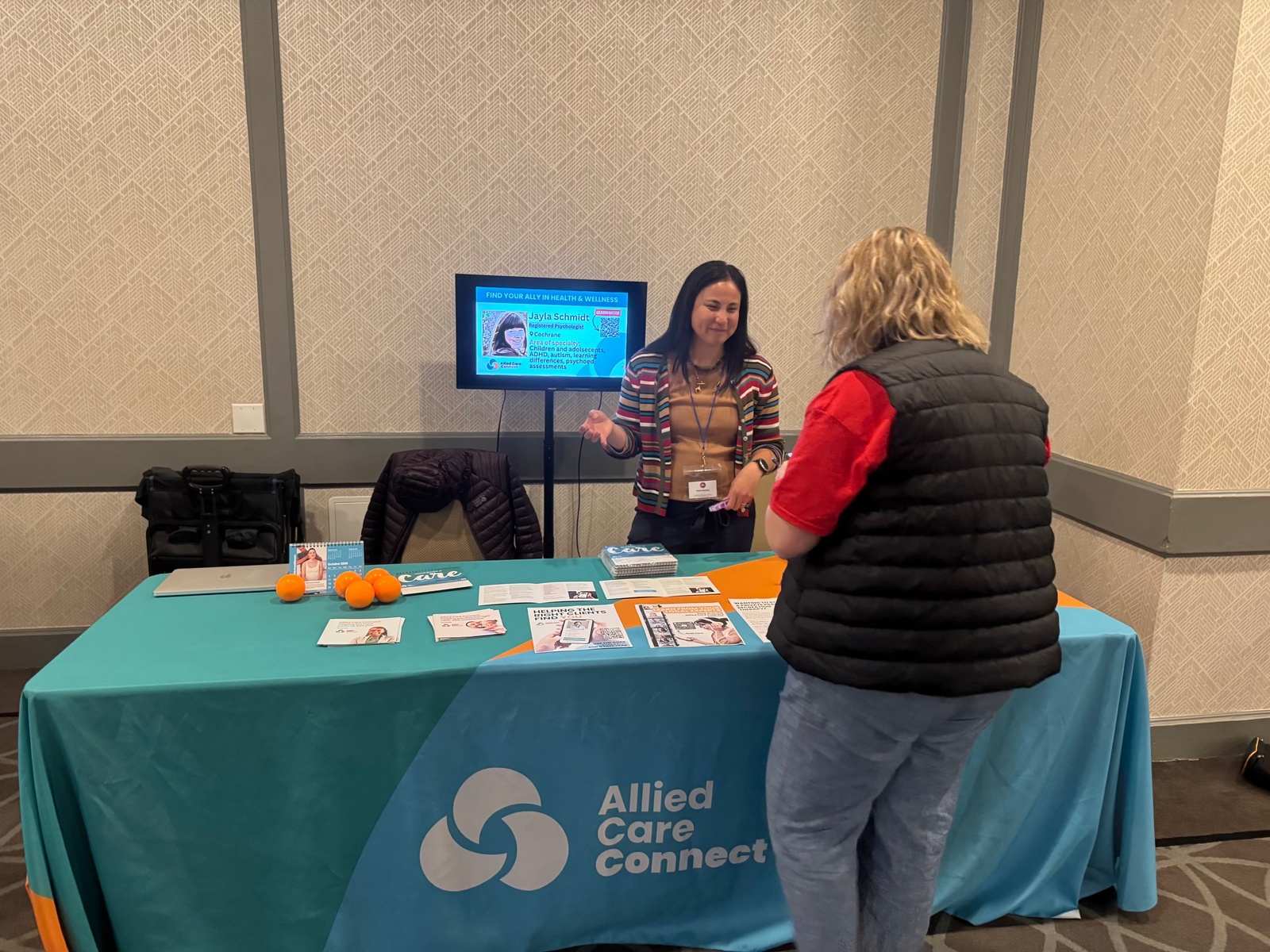
A week ago, on October 22 and 23, 2026, recreation therapists from across Alberta gathered in Lethbridge for the Alberta Therapeutic Recreation Association (ATRA) Symposium. This year marked ATRA's 40th anniversary, and the theme said it all: "Bridging the Years: Honouring Past Achievements and Guiding the Profession Toward New Possibilities." For me, it was also a bridge between my two worlds.
Honouring Where We've Come From
I came to Lethbridge as a recreation therapist with my own private practice, and as an attendee I got to learn alongside colleagues who have shaped this profession. Forty years of ATRA is forty years of people showing that leisure and recreation are powerful tools for change. I'm proud to use those tools every day.
Stepping Forward as a Vendor
I also came as the founder of Allied Care Connect, and it was an honour to be a vendor. I'll be honest, I was nervous. Sharing something you've poured your heart into is one thing, but sharing it with your own colleagues is another. I was so graciously received. People stopped by the booth with thoughtful questions, feedback and conversations I'm still thinking about.
Guiding the Profession Toward New Possibilities
Those conversations kept bringing me back to the theme. If the past forty years were about establishing recreation therapy, I believe the next chapter is about making sure it's seen. Recreation therapy has its definitive place at the allied health table, and we're proud to help Albertans find recreation therapists alongside our other allied health professionals. That's the role I see Allied Care Connect playing in the future of this profession: helping practitioners be seen and helping people find the right fit.
Looking for a recreation therapist in Lethbridge, Calgary or anywhere in Alberta? Browse the Allied Care Connect directory.
Let's Keep Building the Bridge
Thank you to ATRA and to everyone who stopped by. This one is close to my heart. If your association is planning a conference anywhere in Alberta and is looking for vendors, I'd love to hear from you. And if you're an allied health practitioner, create your profile on Allied Care Connect.
Valerie Bautista
Founder, Allied Care Connect

Recap: Marketing Workshop for Allied Health Practitioners with Angela Wiens
On October 28, 2026, we hosted our online Marketing Workshop for Allied Health Practitioners with Angela Wiens, co-founder of Ballad, a creative studio here in Calgary. Thank you to everyone who joined us, and a big thank you to Angela for sharing so generously.
Angela called the information she shared "the tip of the iceberg." It was the basics, but the kind of basics you can start using right away, and most of it costs little or nothing. Over about 45 minutes (plus Q&A), she walked us through one big question: is your website working as hard as you are?
Your Website Is Not a Brochure
Angela's main point was simple. Your website "should be your hardest-working employee. It's a 24-7 team member." It shouldn't just describe your practice. It should help people find you, understand you, trust you, and then act, whether that means booking an appointment or getting in touch.
3 Takeaways to Get You Started
- Fill in your SEO basics on every page.Page titles, headings, meta descriptions and keywords all matter. Your meta description is the short blurb people see under your name in Google, so keep it plain and clear: who you help and what you do. Save the flowery language and jargon for somewhere else. Yes, it's tedious to do this for every page, but it's worth it.
- Make your value clear in about 5 seconds.Visitors need to quickly see who you help, what you offer, why it matters, and what makes you different. Angela calls that last part your "onlyness." Your story and education belong on your About page, not your homepage. And know who you want to attract, or your site ends up being "everything to everybody, but nothing to anybody."
- Write human-first content and reuse it.This was Angela's favourite part. Content based on real, first-hand experience is getting found more than generic AI-written content. "Your opinion matters, and I cannot stress that enough." Use your own photos, share what you're seeing in your practice, and aim for at least one blog post a month (two to four if you can). Posts can be 500 words or less. Then turn one blog post into several social posts, a short video, or a newsletter item. It's one idea, just formatted differently.
That's just a taste. Angela shared a lot more in the full workshop, including how to track where visitors leave your site and her advice on marketing within your profession's advertising rules.
Watch the Recording
ACC members: the full workshop recording is now a Member Perk. Find it in the Member Perks section under "ACC Events". Watch the recording in Member Perks.
Not a member yet? Create your profile on Allied Care Connect to get access to Member Perks like this one and to be part of our allied health community. Create your profile.
Thanks again, Angela, and thank you to everyone who came. We can't wait to see what you do with your websites!
Profession Spotlight: Kinesiologists

One of the goals of Allied Care Connect is not only to make allied health practitioners more visible to the public, but also to help practitioners better understand each other’s work.
Today we are featuring Kinesiologists
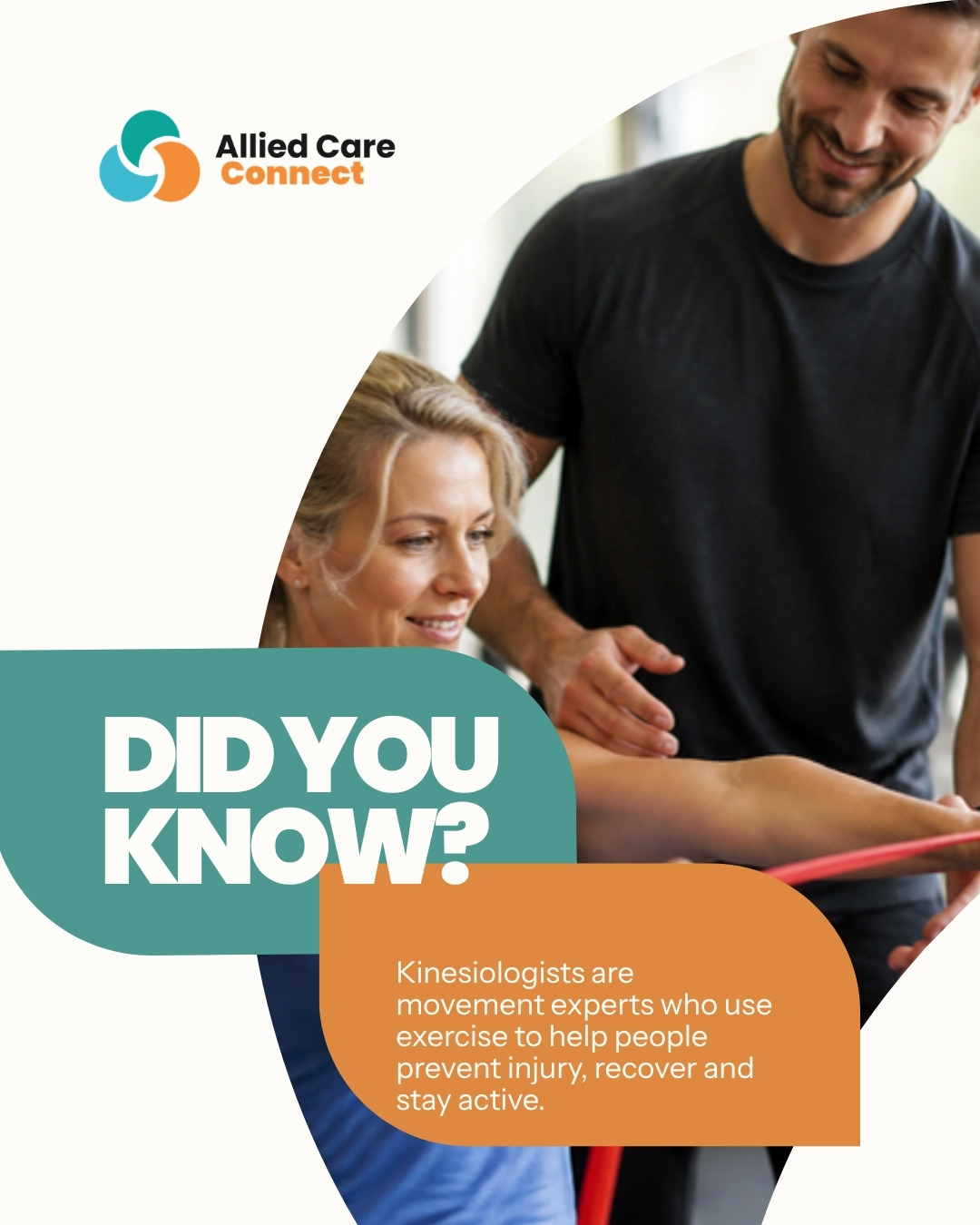
Kinesiologists are experts in human movement. They use the science of how the body moves, along with exercise and activity, to help people prevent injury, recover, manage chronic health conditions, and perform better at work, in sport, and in daily life.
In Alberta, kinesiologists typically hold a four-year university degree in kinesiology or a closely related field. Did you know? Kinesiologists are the movement experts of allied health. They use exercise as medicine, and you'll find them in workplace ergonomics, return-to-work programs, chronic disease management and sport performance.
Kinesiologists use a range of approaches tailored to the individual’s needs, including:
• individualized exercise programs
• active rehabilitation after injury or surgery
• ergonomic and workplace assessments
• education on posture, activity, and healthy habits
• support for safe return to work or sport
Depending on the person’s needs, kinesiologists may support areas such as:
• chronic conditions such as arthritis, diabetes, heart disease, and chronic pain
• strength, balance, and fall prevention
• returning to activity after surgery
• sport performance and injury prevention
• general health and staying active
• workers returning to the job after an injury
• adults living with chronic health conditions
• older adults wanting to stay strong and independent
• athletes and active individuals
A first visit usually starts with questions about your health history, your goals, and what brought you in, followed by an assessment of how you move, your strength, and your fitness. Your kinesiologist will explain what they found and build a program that fits your goals and abilities, and they will ask for your consent and check in as you go. Some extended health plans cover kinesiology, so it is worth checking your benefits.
Kinesiologists work in active rehab and multidisciplinary clinics, workplace health and disability management programs, fitness and sport settings, and community health programs. Many work alongside physiotherapists, chiropractors, occupational therapists, massage therapists, and family doctors as part of a client’s circle of care, referring to each other when someone needs something outside their scope. You can find kinesiologists right here on Allied Care Connect, where you can browse their profiles, specialties, and approach to care.
So there you have it, Kinesiologists in a nutshell. If you are curious to learn more, feel free to connect and network with the kinesiologists listed on Allied Care Connect.
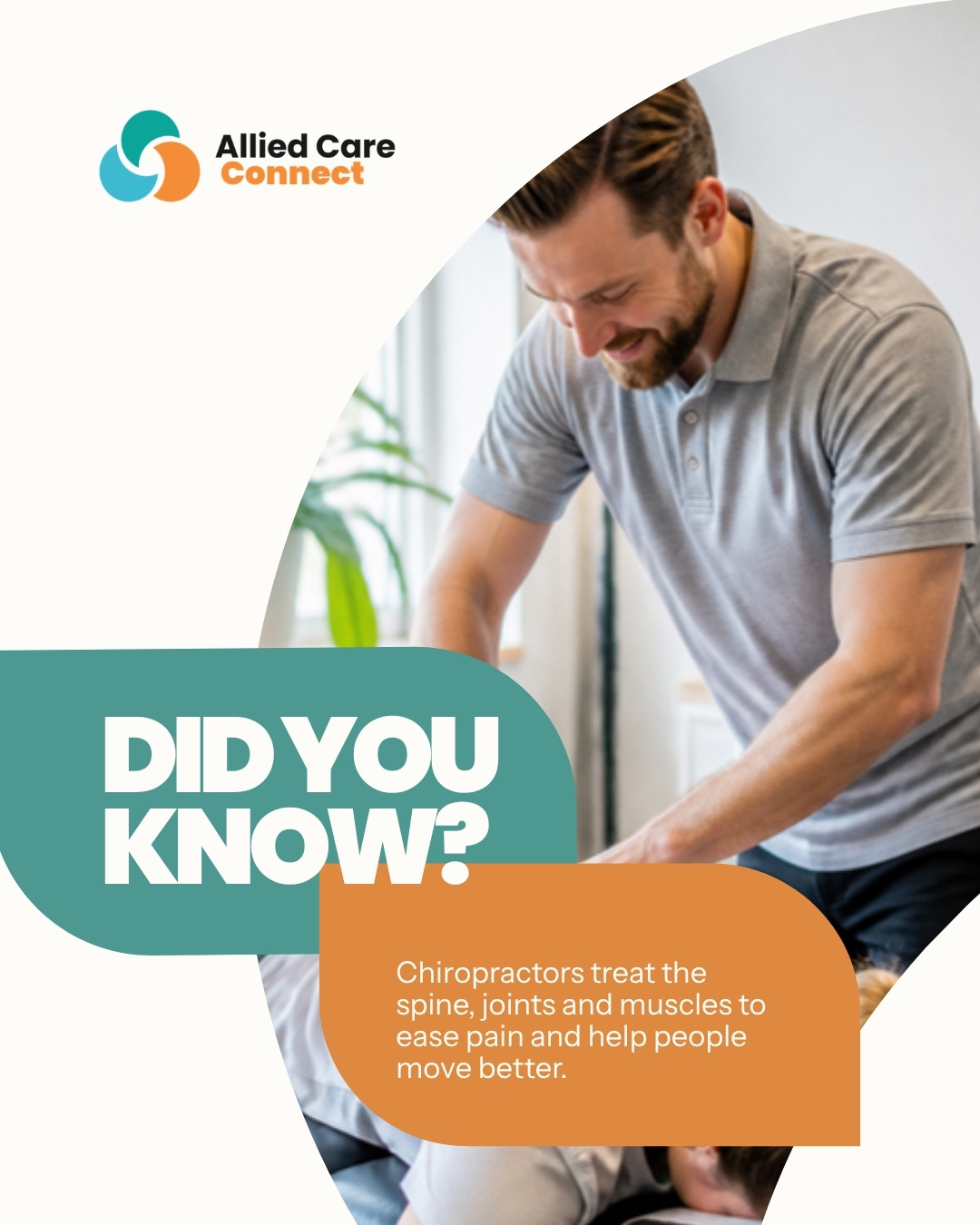
Profession Spotlight: Chiropractors

|
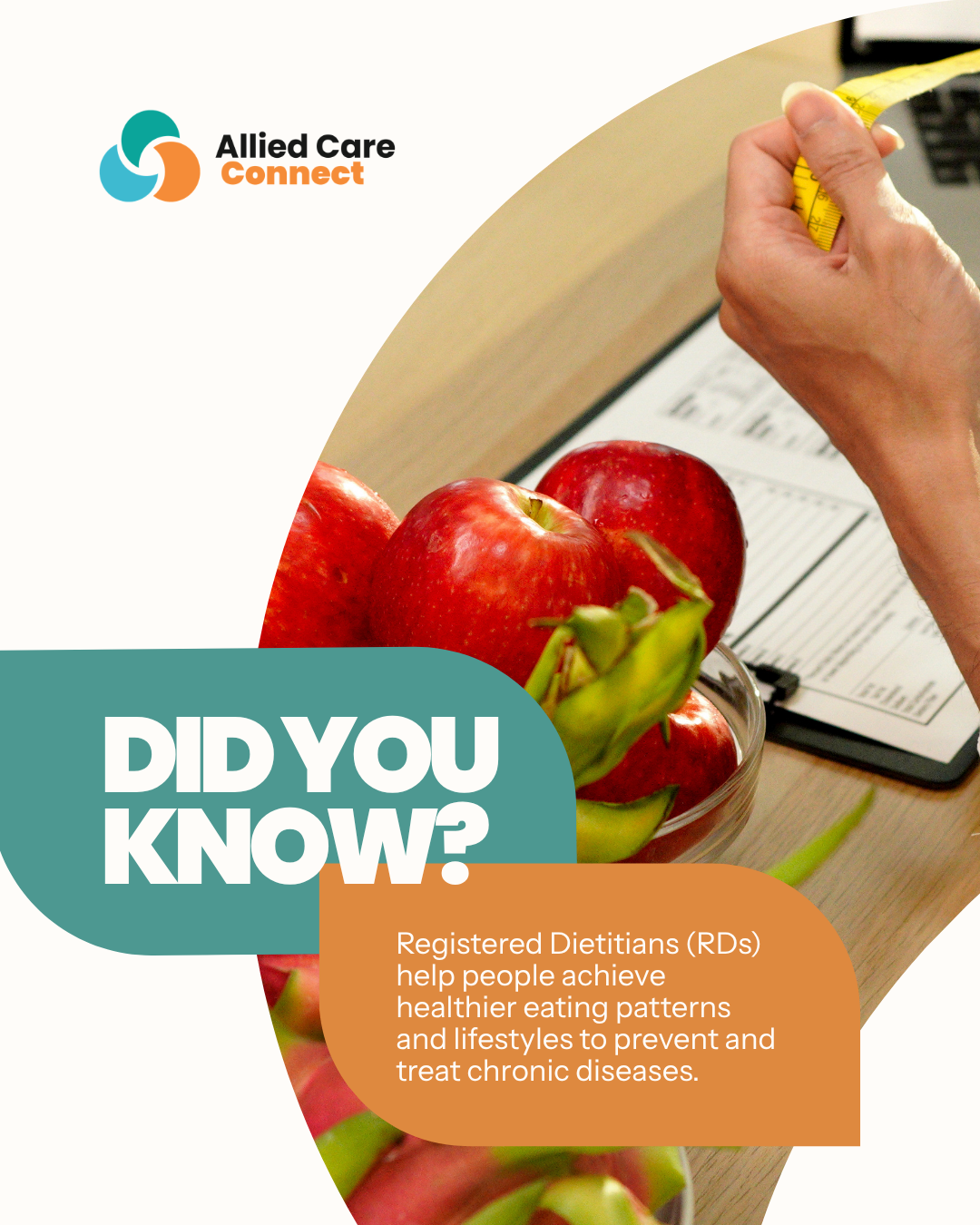
Profession Spotlight: Registered Dietitians
|

|

Why Patients Aren’t Finding the Right Providers, and What You Can Do About It
|
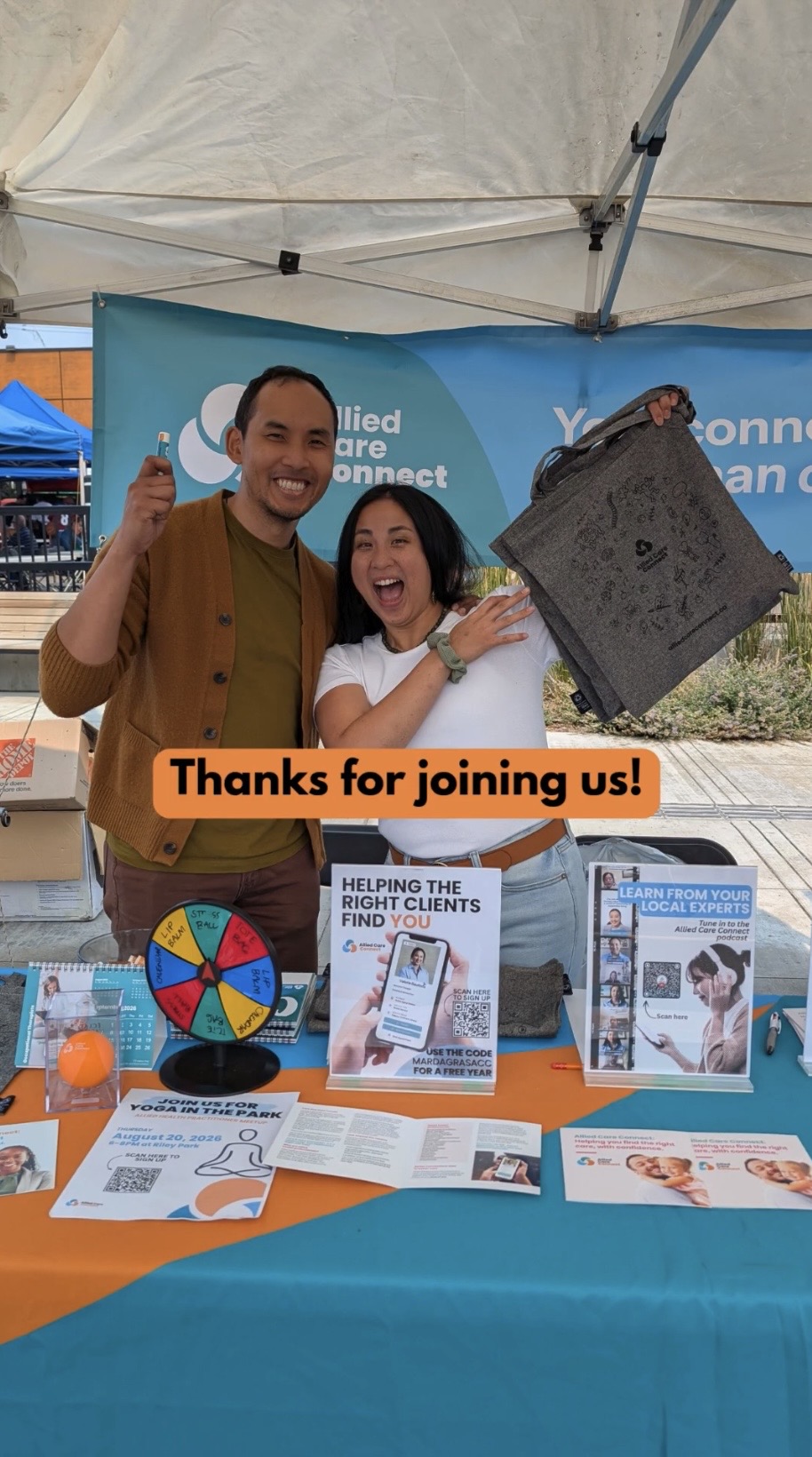
Marda Gras Festival
We spent the day chatting with people about Allied Care Connect, and every time we gave out some merch, we asked two questions:
🔎 Who would you search for?
👀 Who are you curious about?
Physio and massage were the clear favourites when it came to who people would actually search for.
But music therapy was the one that really got people curious. A lot of people were genuinely surprised to learn that music therapy is a master’s-level profession, that many music therapists hold dual certifications for music and counsellling, and that they use music intentionally as a tool for change.
It’s so much more than just playing a song for someone.
It was fun seeing people go from, “Oh, I didn’t know that existed,” to being genuinely curious about what music therapy can do.
That’s a big part of why we created Allied Care Connect — to make it easier to discover what’s out there. 💛
We’ll keep bringing more visibility to different professions and creating opportunities to spotlight them at the events we’re lucky enough to be part of.
Thanks to everyone who stopped by, chatted with us, and played along with our questions!
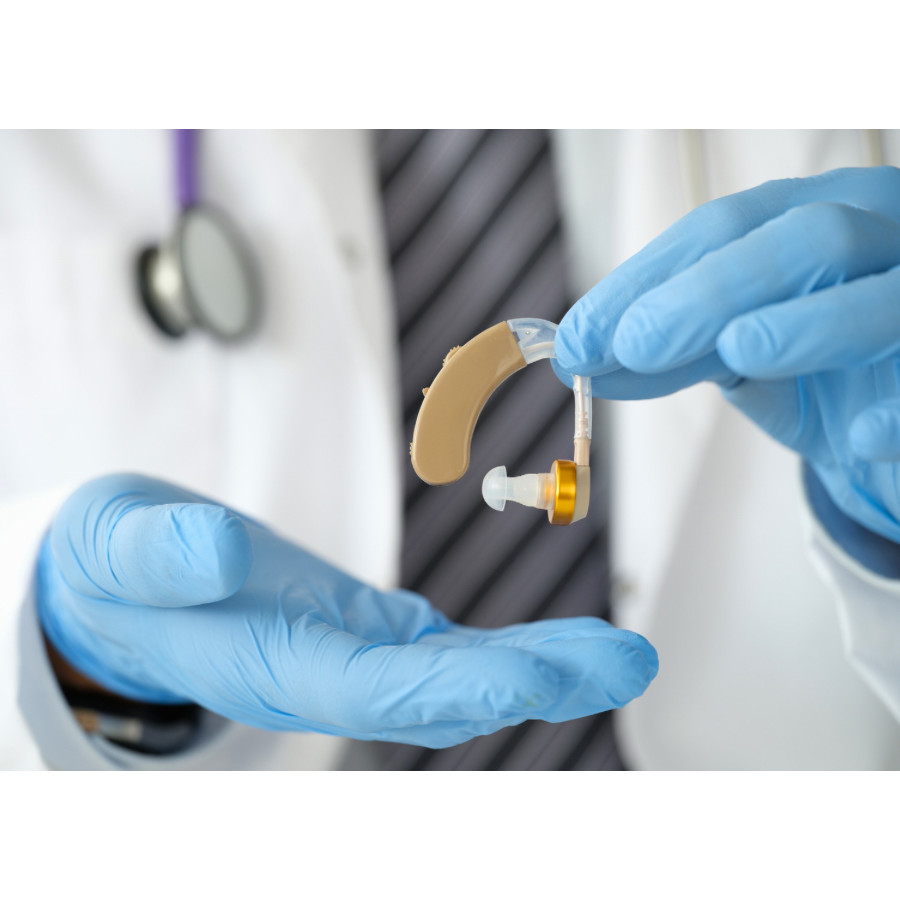
Profession Spotlight: Hearing Aid Practitioners
|
|
Reconnecting with your why
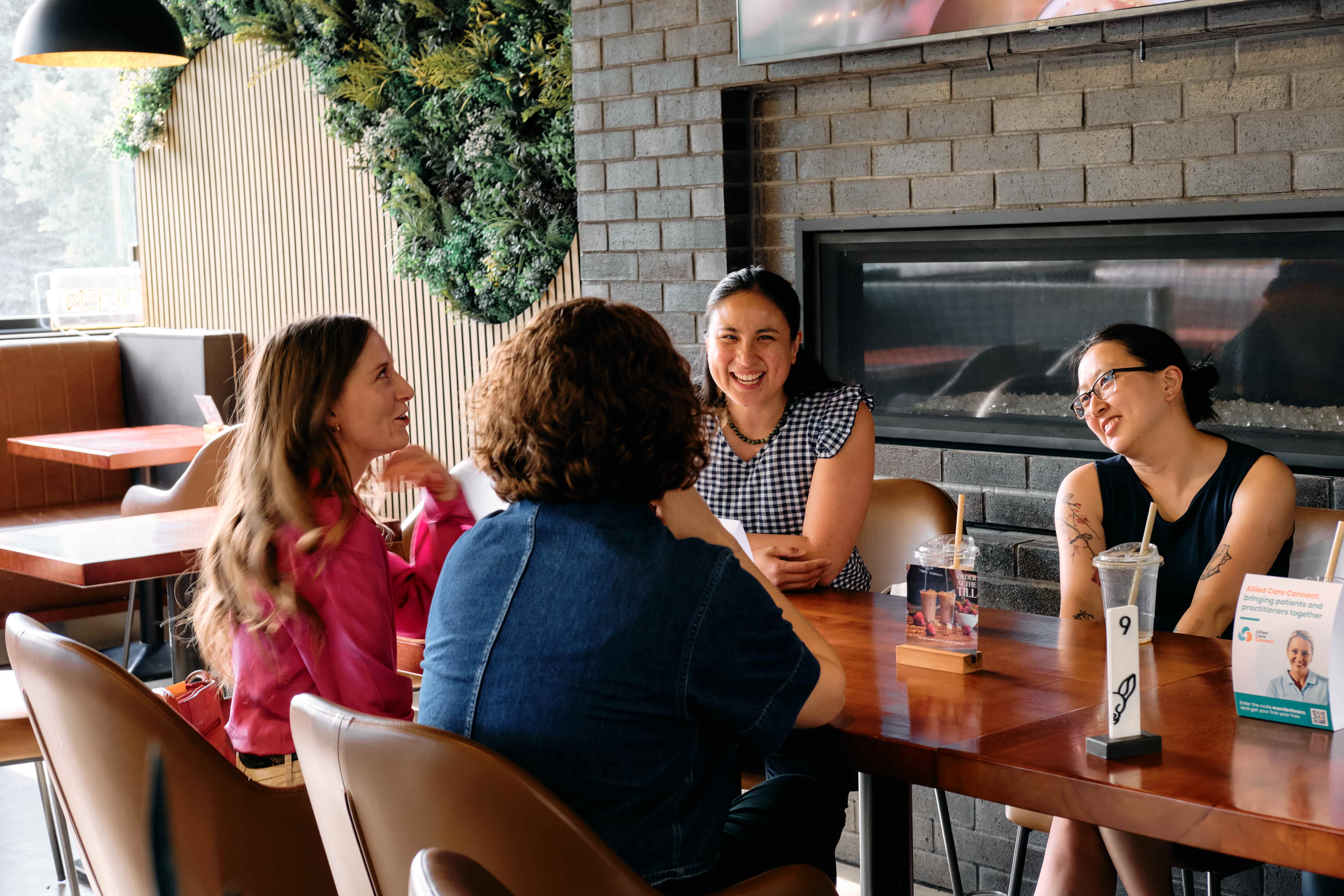
Practitioners often stay tucked within their own professional worlds and forget how valuable it can be to simply come together. In a time when so much networking and referral-building happens online, there was something refreshing about sharing the same space, having real conversations, and learning from one another without rushing.
At our recent practitioner meetup, we shifted the focus from what people do to why they do it. Behind every practice and patient interaction is a personal story.
For many practitioners in the room, the path into healthcare began long before formal education. It was shaped by family members, lived experiences, or moments when they witnessed the impact of compassionate care. Each story was different, but the values behind them were remarkably similar. Regardless of profession, everyone’s work had been sparked by something meaningful.
Over time, though, the demands of running a practice and meeting the needs of others can overshadow that initial motivation. We heard similar themes around what creates disconnection, including saying yes to work that doesn’t align, managing pressures outside our control, and trying to maintain balance while continuing to provide quality care.
The group also shared practical ways to reconnect. These included creating space to decompress between sessions, separating personal identity from professional roles, using music to process difficult emotions, and making room for recreation, leisure, joy, and restoration outside of work.
Reconnecting with our why doesn’t always require one big realization. Sometimes, it comes through small, intentional practices that help us return to ourselves and remember that the person behind the professional needs care too.
By the end of the evening, practitioners were exchanging contact information and continuing conversations beyond the event. It was a meaningful reminder that while visibility and referrals matter, many practitioners are also looking for community, support, and a sense of belonging. Private practice can feel isolating, and gatherings like this create opportunities to share knowledge, strengthen professional relationships, and expand the circle of care around the people we serve.
That is what we are building at Allied Care Connect: a community where practitioners feel seen, supported, and connected as they continue the work that inspired them in the first place.
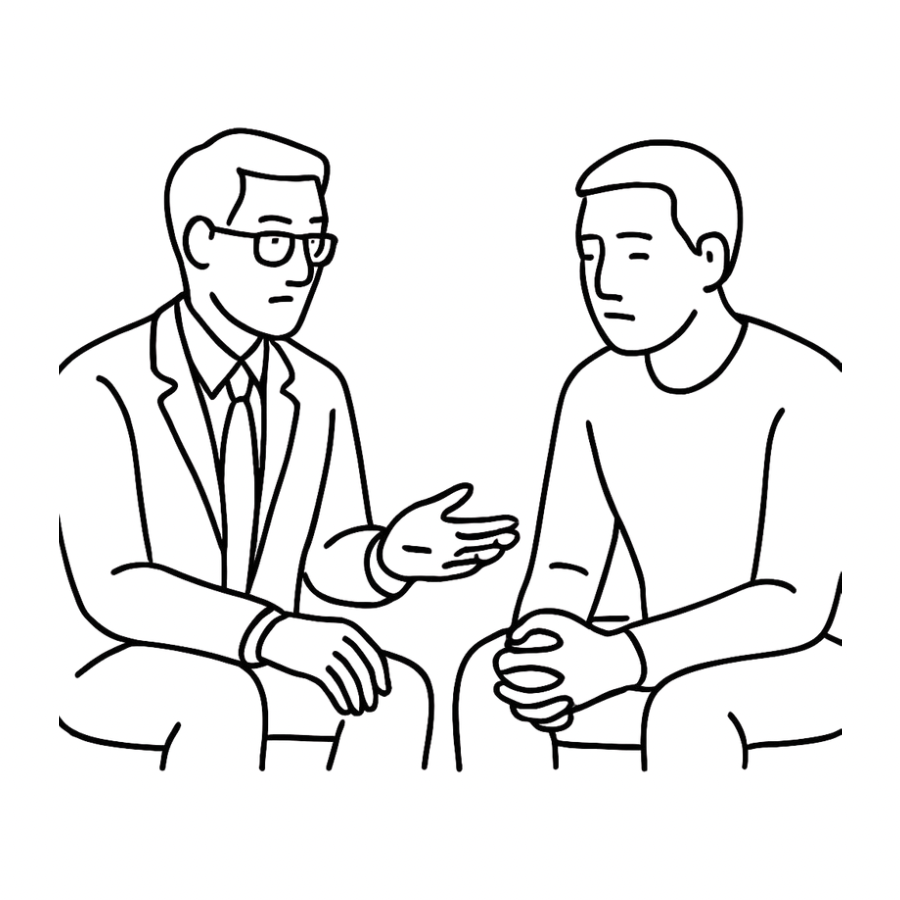
Profession spotlight: Mental Health practitioners (Psychologists, Counsellors)
|
|
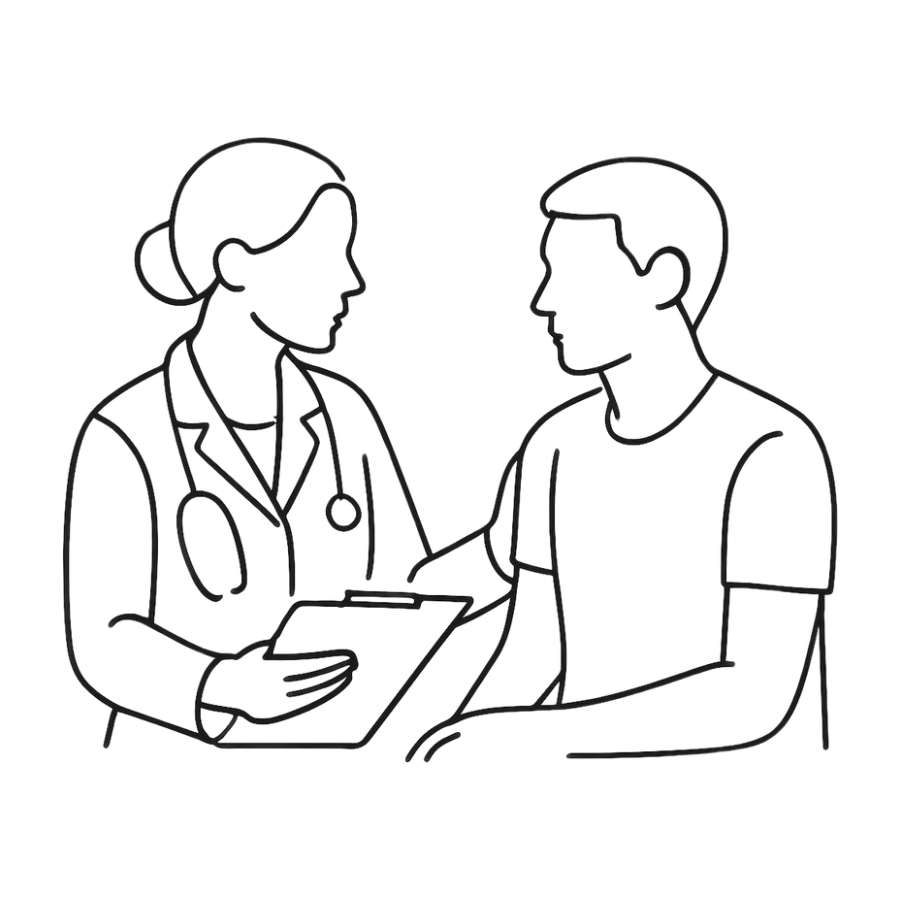
Profession spotlight: Nurse Practitioner
|
|
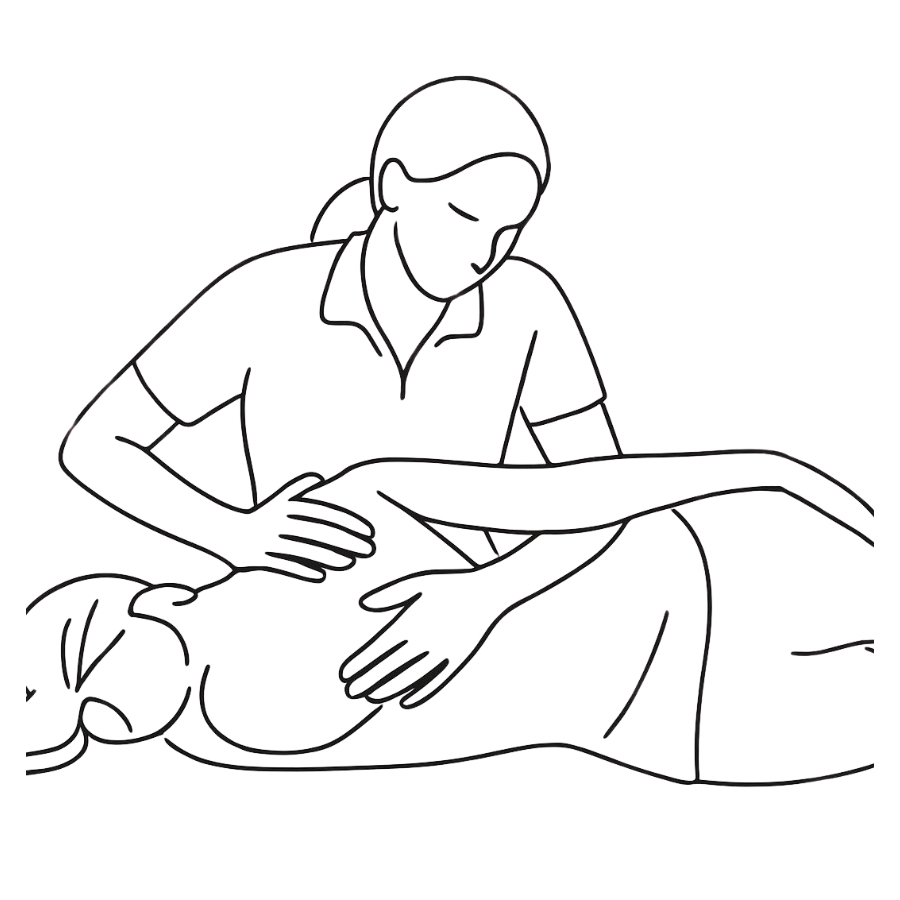
Profession Spotlight: Manual Osteopathy
|
Profession Spotlight: Massage therapy
|
|
Profession Spotlight: Speech Language Pathology
|
|
Profession Spotlight: Physiotherapy
|
|
Profession Spotlight: Recreation Therapy
|
|

Profession spotlight: Music Therapy
|
|

How to Make Your Allied Care Connect Profile Work for You
|
Profession Spotlight: Occupational Therapy
|
|
We’re introducing the Profession Spotlight Series to help practitioners better understand each other’s work and highlight the different allied health disciplines on the platform.
|