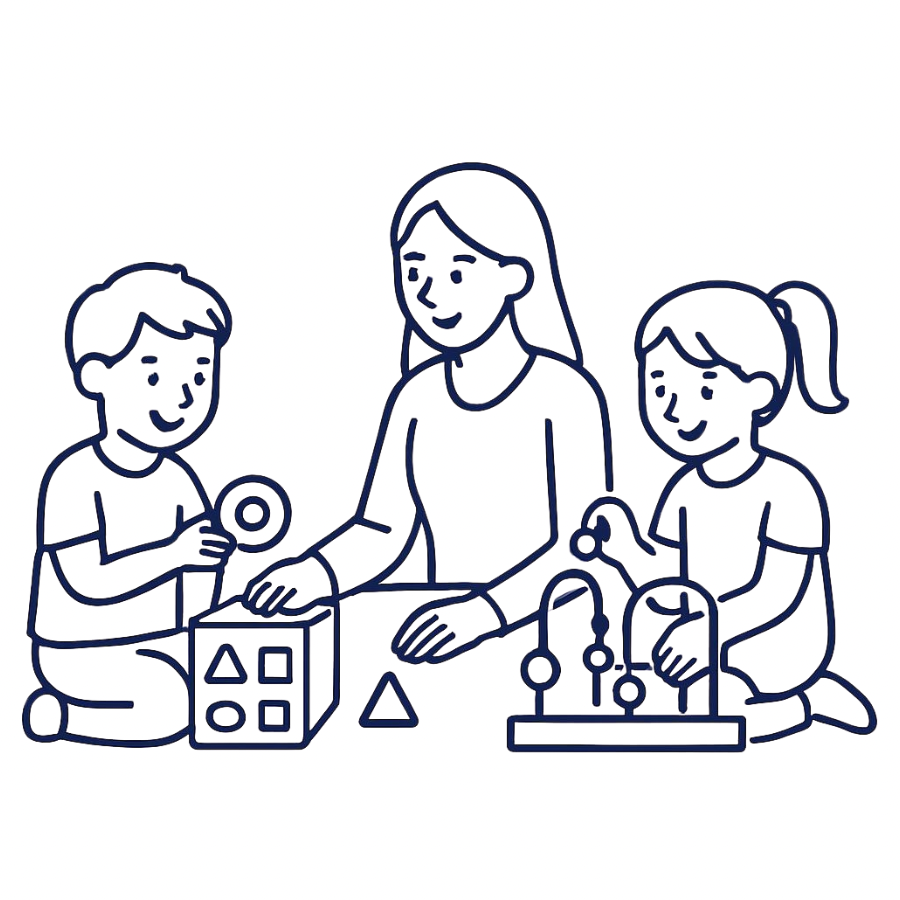
Today we are featuring Occupational Therapy
What is OT?
Occupational therapy is a solution focused, goal oriented discipline that works alongside individuals and, when needed, their families or employers to support participation in the activities that matter most to them.
Occupational therapists are experts in assessing function. They look at the many “occupations” that fill a person’s day, meaning the activities people spend their time doing, and how emotional, cognitive, physical, and environmental factors influence a person’s ability to participate in those activities.
How do OT's work?
Occupational therapists work collaboratively with individuals to identify goals, develop practical strategies, and adapt environments or routines so that everyday activities become more manageable and meaningful.
What do OT's help with?
Depending on the person’s needs, occupational therapists may support areas such as:
• daily living skills and routines
• cognitive and executive functioning, including ADHD related challenges
• home and workplace modifications and ergonomics
• adaptive equipment and environmental modifications
• mental health supports such as anxiety management and graded exposure strategies
• sensory regulation and stress management
Who do OT's support?
• neurological conditions such as stroke, brain injury, Parkinson’s disease, or multiple sclerosis
• developmental differences or disabilities
• mental health challenges such as anxiety, depression, or trauma related conditions
• cognitive changes including ADHD, executive functioning challenges, or dementia
• physical injuries, chronic pain, or chronic health conditions
• difficulties with daily activities at home, school, or work
Where do you find OT's?
Occupational therapists practice in hospitals, community programs, schools, workplaces, and private practice settings.
So there you have it, Occupational Therapy in a nutshell. If you are curious to learn more, feel free to connect and network with
the occupational therapists listed on the Allied Care Connect!