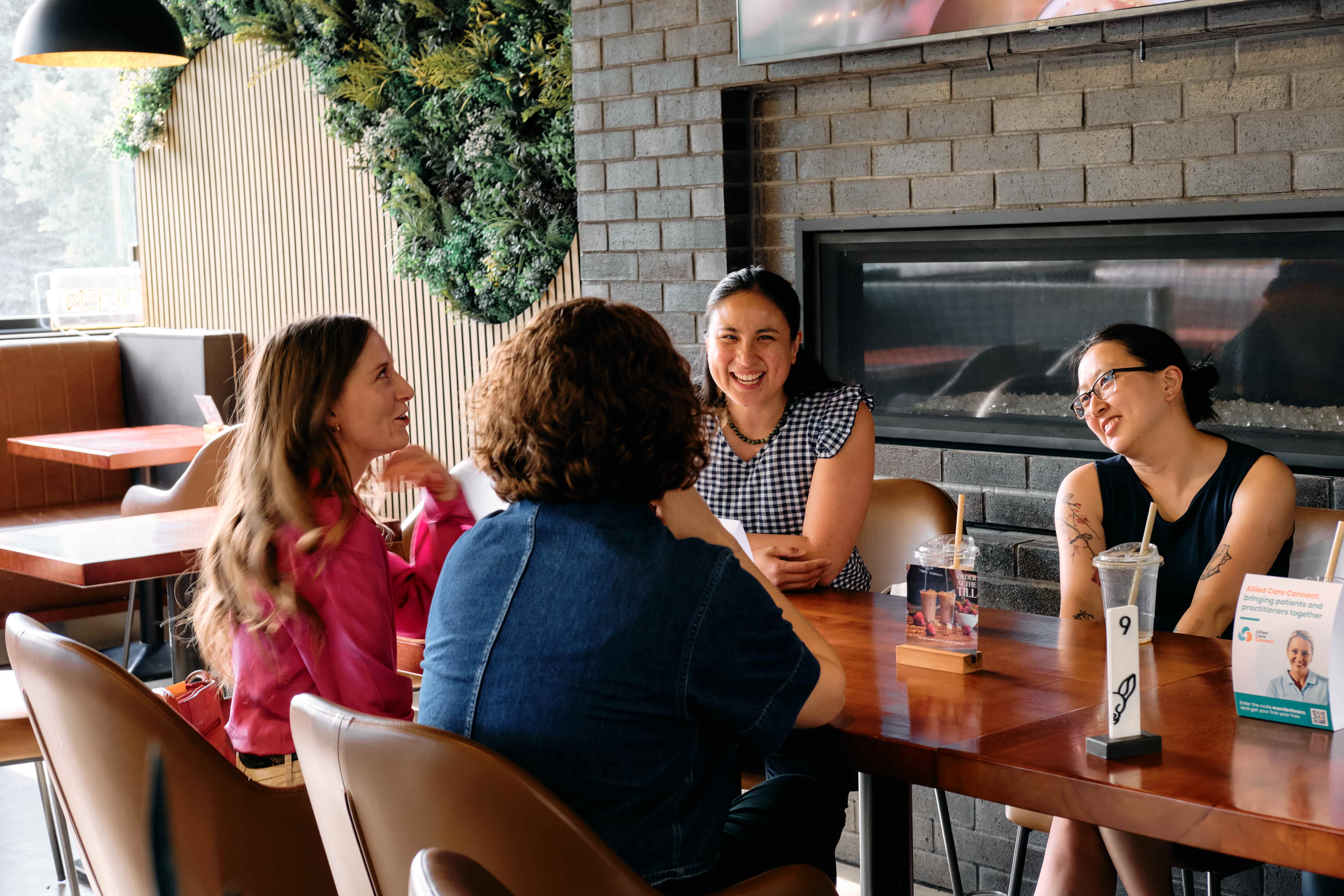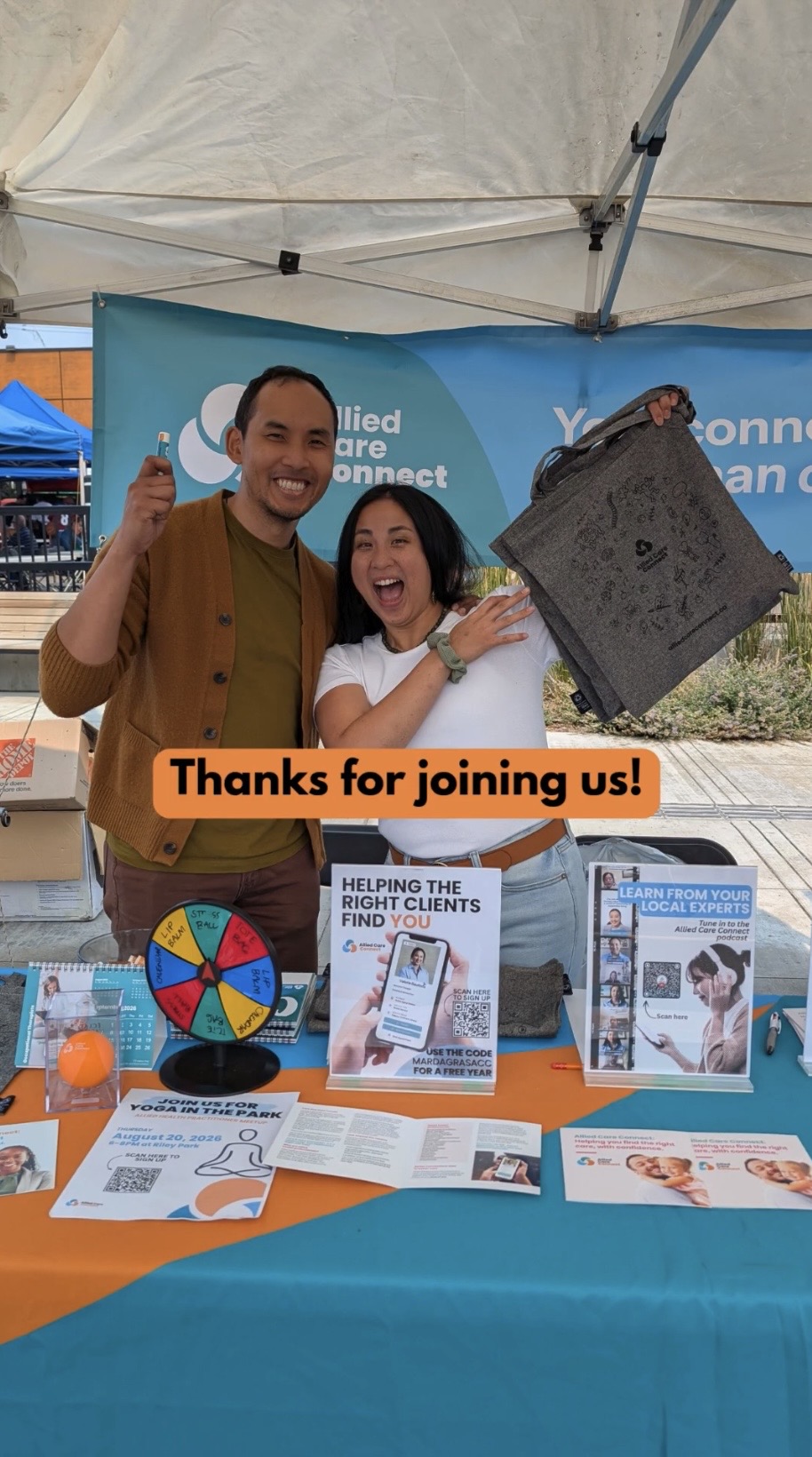


Healthcare works best when it works together.
No single practitioner has all the answers for every patient, and that’s okay. In fact, some of the best outcomes happen when healthcare professionals bring their different areas of expertise together to support a person’s overall health and well-being.
Whether someone is recovering from an injury, managing a chronic condition, navigating mental health challenges, or working toward long-term wellness, collaborative care can make the journey smoother and more effective.
As healthcare continues to evolve across Alberta and Canada, interdisciplinary care is becoming more than a nice idea - it’s starting to become recognized as an essential part of patient-centred care.
Interdisciplinary care simply means healthcare providers working together to support a shared patient. From the patient perspective, it can be known as their “circle of care.” Instead of treating one concern in isolation, practitioners communicate, share relevant information (with patient consent), and coordinate care so their expertise complements one another.
A patient’s care team might include:
• A massage therapist supporting pain management.
• An occupational therapist helping the patient regain independence at home or work.
• A psychologist providing strategies to cope with the emotional impact of recovery.
• A dietitian supporting healing through nutrition.
• A family physician overseeing the patient’s overall medical care.
Each provider sees the patient through a different lens, but together they create a more complete picture.
Patients often don’t experience health challenges in neat, isolated categories. Someone living with chronic pain may also be experiencing anxiety. A concussion can affect physical, cognitive, and emotional health. A child receiving speech therapy may also benefit from occupational therapy or counselling.
Collaborative care can help:
• Improve communication between providers.
• Help patients navigate the healthcare system more confidently.
• Create more consistent care plans.
• Support better long-term outcomes.
• Help patients feel heard and supported by an entire team.
Most importantly, patients don’t feel like they’re carrying the responsibility of connecting the dots themselves.
While working together clearly is good for patients, it supports allied health practitioners too.
Collaboration creates opportunities to:
• Build trusted referral relationships.
• Better understand the full patient journey.
• Reduce duplication of services.
• Increase confidence that patients are receiving comprehensive care.
Many practitioners say one of the most rewarding parts of their work is being part of a team that shares a common goal: helping people live healthier lives. These strong and aligned professional relationships also create stronger communities, where practitioners know who they can confidently refer to when a patient would benefit from another type of treatment.
Imagine someone recovering after a car accident.
They begin working with a physiotherapist to improve mobility and strength. During treatment, it becomes clear that lingering pain is affecting their sleep, while anxiety about driving again is slowing their overall recovery. The physiotherapist recommends a registered massage therapist to help manage muscle tension and a psychologist to support the emotional side of recovery. The patient’s family physician remains informed about their progress and helps coordinate their overall treatment plan.
Instead of feeling like they’re navigating multiple healthcare appointments on their own, the patient experiences a connected and aligned circle of care.
Having access to a trusted network of allied healthcare professionals makes those referrals easier and helps strengthen collaboration across disciplines. The challenge isn’t recognizing when a patient would benefit from another professional, but rather knowing who to refer them to.
Directories like Allied Care Connect help practitioners like you discover professionals with different areas of expertise. By helping allied healthcare professionals become more visible and connected, we’re supporting stronger referral networks, more informed patients, and ultimately, better care for communities across Alberta and Canada.
When healthcare works together, everyone benefits.