
About this episode
Valerie is joined by Lauren McDonald, an occupational therapist and owner of OT2U Ltd. in Calgary, with over 10 years of experience. They talk about ADHD in women, especially women diagnosed later in life: the common signs or breaking points that lead to a diagnosis, how ADHD presents differently in women, the goals clients bring to OT, the PINCH framework Lauren uses, how OTs can support business owners with ADHD, and misconceptions about OT and ADHD.
Key takeaways
- Feeling overwhelmed? Start the conversation with your healthcare provider; that's often the first step toward an adult ADHD diagnosis (05:12).
- In women, ADHD can look like a wandering mind and the pressure to be the "emotional regulator" (12:13, 13:25).
- Hormones and cycle changes, including perimenopause, can affect ADHD symptoms; Lauren plans strategies around those times (17:25–17:54).
- The PINCH framework (Passion, Interest, Novelty, Challenge, Hurry) helps an interest-based nervous system get tasks done (23:29).
- OTs don't diagnose ADHD, but they help with practical goals such as planning, organization, and business tasks for entrepreneurs (26:40, 28:43).
Meet the guest
Transcript
Allied Care Connect (00:00)
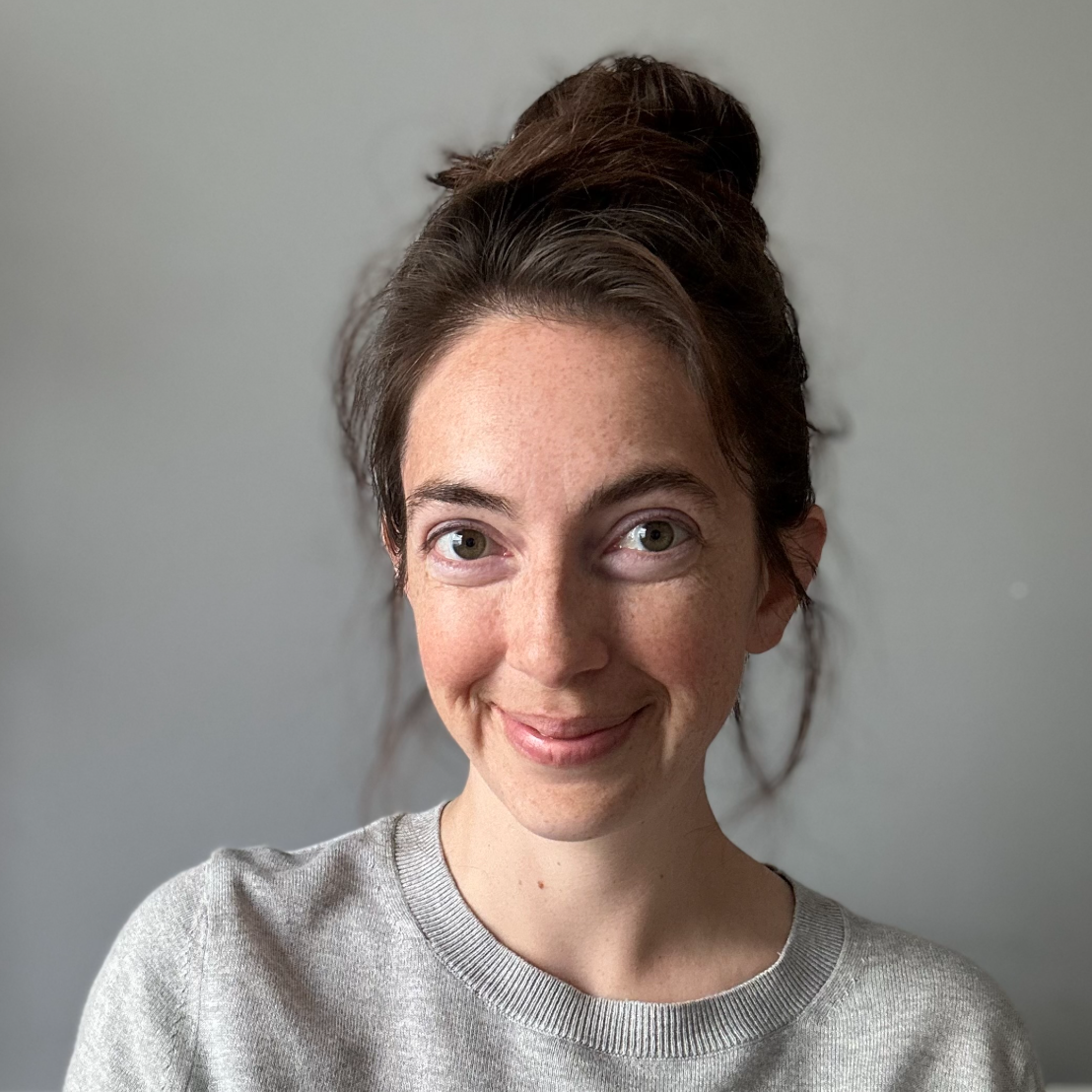
Hello, listeners. Welcome to the Allied Care Connect podcast. I am your host, Valerie, the founder of Allied Care Connect. And today we are joined by Lauren McDonald. ⁓ She is an occupational therapist and owner of OT2U Limited here in Calgary. Lauren has over 10 years of experience in occupational therapy.
Lauren McDonald (she/her) (00:08)
Go ahead.
Allied Care Connect (00:32)
And today we're going to be talking about ADHD in women, especially women who are diagnosed later in life. Welcome to the show.
Lauren McDonald (she/her) (00:40)
Thank you.
Allied Care Connect (00:42)
Thank you. Awesome. ⁓ So Lauren, can you take us back a little bit and tell us how you got started on your professional path and what made you choose occupational therapy?
Lauren McDonald (she/her) (00:54)
Mm-hmm. ⁓ So ⁓ I think I was like many people, didn't really know what occupational therapy was. ⁓ A lot of people don't know what occupational therapy is until they need it. ⁓ And I didn't actually need an occupational therapist, but ⁓ when I was in high school, they had us complete one of those like job personality quiz type things. ⁓ And one of the results I got was an occupational therapist.
Lauren McDonald (she/her) (01:22)
And I had never heard of that before. ⁓ so I looked into it and I just thought it sounded so cool because when I was, you know, in grade 12, I was contemplating what I should be doing. If I wanted to go into like nursing, psychology, teaching, I kind of knew I wanted to work with people and help in some capacity. And then when I saw what OT was, it kind of combines elements of all of that. ⁓ so I decided to pursue that. ⁓
Lauren McDonald (she/her) (01:50)
I did my undergrad in community rehab and disability studies, which kind of focuses a bit more on the social aspects of disability and is a really neat program. If anyone is looking for a bachelor to do before their master's ⁓ in occupational therapy, ⁓ it kind of made me think a little bit about whether or not I did want to go into OT or if I wanted to, you know, be more part of the nonprofit world. ⁓ And so in between my bachelor's and my master's,
Lauren McDonald (she/her) (02:20)
I ultimately worked at a place in Calgary called Arbi, ⁓ the Association for the Rehabilitation of the Brain Injured, which is also a wonderful program. ⁓ and I was working there as like a receptionist, but I thought it would give me good exposure to like the nonprofit world and the OT world. And literally, like after my first day working there, I was just like, okay, no, I want to be an OT because it was so neat just to see the impact.
Lauren McDonald (she/her) (02:45)
That they had on the clients that were coming there ⁓ and how much change they promoted, how much hope they were giving to families. ⁓ so then I buckled down, went into my master's and never looked back. ⁓ and so now here we are 10 years later, which was so hard to believe ⁓ that I've now been practicing as an occupational therapist.
Allied Care Connect (03:05)
That's amazing. Thank you so much for sharing that story. My next question is when adults discover that they have ADHD later in life, what are some of the common signs or breaking points ⁓ that usually make them more kind of realize that there's something going on?
Lauren McDonald (she/her) (03:08)
Yeah. ⁓
Lauren McDonald (she/her) (03:25)
Mm-hmm. ⁓ So I think for a lot of the people that might have been missed in childhood, they're more likely to notice during a life transition. ⁓ so when we think of what those life transitions are, that could be somebody who is going from high school to university. ⁓ It could be somebody who's maybe single, going to marry, moving into a home for the first time. ⁓ then, you know, after marriage maybe comes kids.
Lauren McDonald (she/her) (03:52)
⁓ so now you've got kids, maybe you now have more kids than in the later life. It's like now you're caring for teenagers and potentially your aging parents as well. So as we go through life, the demands and responsibilities that we have kind of add up, up, up. ⁓ and so what can happen is I find that there's normally people have different thresholds for what they can tolerate, but it's typically at one of those transitions where they begin to realize like,
Lauren McDonald (she/her) (04:22)
whatever my old systems were, however I was coping potentially with this unbeknownst to me diagnosis in the past, you know, it's just not working anymore. So people will start to reach out, you know, to healthcare professionals saying, like something feels off, like I'm working too hard at ⁓ managing life really. Like, and it could be, you know, I'm just struggling so much to pay attention at school or get my assignments in on time. ⁓
Lauren McDonald (she/her) (04:48)
⁓ but it could also be like I'm just like struggling to eat, like I can't even remember when to take my meds or when to have my meals. And you know, it really is gonna vary what those indicators are. But I think the most common thing I see is people come to me when they're overwhelmed. That is one word that is, you know, comes up again and again. Just I'm just so overwhelmed.
Lauren McDonald (she/her) (05:12)
⁓ and so I think it's really important, you know, if people are feeling overwhelmed to start that conversation with their healthcare provider. ⁓ and then that might, you know, through those conversations that they're having with them, ⁓ sometimes it's then the healthcare provider, whether that's a counselor, psychologist, doctor who might bring up a suggestion of ADHD or through their own, ⁓ you know, process of providing standardized tests and conversations, they might be able to find some of that out. ⁓
Lauren McDonald (she/her) (05:42)
⁓ but I think the other thing is that a lot of people also look to their peer groups ⁓ and a lot of people are gonna look to social media as well. ⁓ and there's a lot of information that exists out there, and so ⁓ people can really, you know, connect ⁓ to that information in a variety of of different ways ⁓ in terms of how they come to suspect.
Lauren McDonald (she/her) (06:06)
That ADHD might be something that they fit the profile of. ⁓ and the most important thing is just to kind of continue to pursue that. Because even if it's not ADHD, I think the underlying thing is something feels wrong, right? ⁓ And you don't want to go through life feeling like every day is a struggle. It shouldn't feel like a struggle every day. Of course, life is gonna come with some level of challenge, ⁓ right? But you'll hear people in the ADHD kit.
Allied Care Connect (06:22)
Yeah.
Lauren McDonald (she/her) (06:35)
immunity talk about kind of like living life on hard mode. ⁓ I didn't know I was living life in hard mode ⁓ and like I just want to flip the switch. ⁓ so I think that that's yeah the most common reason people come and that the transitions are ⁓ a more significant time that people are more likely to reach out.
Allied Care Connect (06:44)
Yeah.
Allied Care Connect (06:57)
Okay, that that's very enlightening. And in my head I'm just thinking about how people transition into entrepreneurship from ⁓ from being employed and kind of realize, ⁓ you know, when the balls fall. ⁓ yeah.
Lauren McDonald (she/her) (07:14)
⁓ Yeah, absolutely. Right. ⁓ and so it is interesting with entrepreneurship and I know like with Allied Care Connect that a lot of the people ⁓ who are using that site are are entrepreneurs themselves, they're self-employed. ⁓
Lauren McDonald (she/her) (07:33)
⁓ and so it is interesting, like when you're working for a company, a lot of the logistics are going to be taken care of by the company. ⁓ whereas when you become self-employed, ⁓ oftentimes when you're starting out, right, like you are going to be filling all the roles where you are the admin, you're answering the phone, you're sending the bills to the clients, you're responding to the emails, ⁓ right? ⁓ and there's not
Lauren McDonald (she/her) (08:00)
somebody holding you accountable either, ⁓ where you don't have a boss to tell you, hey, I need this report ⁓ now or at such a time, right? ⁓ so for some people that flexibility is freeing. And for some people, it actually is less effective where they almost benefited from the structure that like a more formal setting was providing them before because there was somebody keeping them on track and kind of
Allied Care Connect (08:07)
Yep. ⁓
Lauren McDonald (she/her) (08:26)
enforcing those checks and balances. Whereas once you're on your own, you're on your own. ⁓ And not completely, obviously, because you can ⁓ hire out help as needed and maybe as your income that's coming in allows. ⁓ but yeah, I think ⁓ it it can certainly be a challenge ⁓ but also come with a lot of ⁓ benefit from ⁓ maybe some of the creativity that it allows people to pursue ⁓
Lauren McDonald (she/her) (08:55)
the flexibility with their time. ⁓ so it's a double edged sword for sure.
Allied Care Connect (09:02)
That's that's a great response. Thank you. I'm just I think things are being more clear now in my in my head as I talk to you right now. ⁓ I might have to talk to you later. ⁓
Lauren McDonald (she/her) (09:13)
Mm-hmm. ⁓
Lauren McDonald (she/her) (09:16)
⁓ Uh-huh. Uh-huh. Well, so ⁓ Valerie, you might like, ⁓ so it's interesting. ⁓ entrepreneurs ⁓ studies kind of vary depending on where they are, right? And like what the the clientele is that they've sampled, but they think that people with ADHD are like two to five times more likely to start their own business than somebody neurotypical. ⁓
Lauren McDonald (she/her) (09:41)
⁓ so I think there are certain communities of people where you do tend to see more ADHD diagnoses and entrepreneurship is is one of them. ⁓
Allied Care Connect (09:53)
Yes. Awesome. ⁓ huh. I'll ask ⁓ more questions later, but we'll move on to the next one. So a lot of the earlier studies about ADHD were heavily focused on males, ⁓ but now we have much more awareness in how it presents in females, like and how it's also influenced by hormones. Can you speak to this a little bit more?
Lauren McDonald (she/her) (09:59)
No problem.
Lauren McDonald (she/her) (10:15)
Mm-hmm. ⁓ Yeah, so I think the biggest thing and maybe ⁓ kind of like the image that a lot of people have in their head of ADHD is like the little boy in the classroom who can't sit still. ⁓ and maybe they're disruptive and like they're the jokester of the class or they keep interrupting the teacher. And ⁓ that can be an ADHD presentation, but part of the reason that we think that
Lauren McDonald (she/her) (10:41)
you know, females are less likely to receive a diagnosis earlier in life ⁓ is because females tend to show more inattentive symptoms. So ⁓ ADHD is a combination. You can either have inattentive ADHD, hyperactive ADHD, or a combination of both. ⁓ And so when you think of kind of like that little boy disrupting the classroom, ⁓ that gets the teacher's attention because that's making it hard for them to teach.
Lauren McDonald (she/her) (11:09)
And so they might flag that and say, Hey, I think like, you know, something's going on, go get them assessed. ⁓ Whereas with females, ⁓ what the inattention can look like is like that difficulty sustaining attention. So maybe like they're quiet in their seat, ⁓ but
Lauren McDonald (she/her) (11:25)
So they're not disrupting the teacher, but they're also not really like absorbing the information. Maybe they're the like the daydreamer thinking about something else, staring out the window. Maybe they're doodling in their notebook instead of taking notes, right? But it's not disruptive. They might do okay in school. ⁓ right? There's not always ⁓ like the ⁓ somebody's grades are not a direct reflection ⁓ of how bad they're struggling with their ADHD.
Lauren McDonald (she/her) (11:51)
⁓ and so because the inattentive symptoms tend to be ⁓ more predominant in females, ⁓ they're less likely to kind of get flagged early on. ⁓ And then when it does come to some of that hyperactivity, again, ⁓ a lot of that can be more internal. So it will feel like racing thoughts, it's repetitive thoughts.
Lauren McDonald (she/her) (12:13)
⁓ it's kind of your mind wandering off different paths, often like off topic. You know, you might start here and now you're over here and you might not get back to here. ⁓ It can be hard, right? So there's lots of different paths maybe ⁓ that your mind is going. ⁓ and it might also be somebody who's very talkative. And this was me, right? Like I love talking. So great choice going into mental health counseling. I get to talk a lot, but I also get to listen a lot. ⁓
Lauren McDonald (she/her) (12:42)
⁓ and you know, but that definitely, right? Like I was okay in school, but if there was a note on report card, it was kind of like, ⁓ like maybe I talk a lot, like she could just like keep it quiet a little bit more. ⁓ But again, it's kind of like not enough to flag maybe an actual assessment because I'm not disruptive enough. I'm not doing bad enough almost like ⁓ at school. And there's just an added ⁓ societal pressure.
Lauren McDonald (she/her) (13:12)
on women ⁓ to conform to kind of be, you know, the ⁓ good girls or follow right, ⁓ kind of like to be polite so and to wait your turn to speak.
Lauren McDonald (she/her) (13:25)
And ⁓ to be the emotional regulators. So even if that's something, a skill that you struggle with, there's almost this expectation that you regulate your emotions and you hear that, right? Like, even like I think in elementary, like hopefully not now, but people would say that, right? Like, ⁓ like, do you have PMS? If it's like, you know, like it's an insult almost, right? And it's like, a real thing. ⁓ Maybe I do. I don't know. So then when you talk about hormones.
Allied Care Connect (13:48)
Mm.
Lauren McDonald (she/her) (13:54)
Right, and you think about the hormones ⁓ that ⁓ will impact a neurotypical individual as well. ⁓ those hormone changes just tend to have more of an impact on somebody with ADHD because when there's that decline in your hormone levels, which can happen kind of ⁓ in that week leading up to your period, the first at the beginning of your period, and then absolutely in perimenopause as well. ⁓
Lauren McDonald (she/her) (14:20)
So when you think of those times that like your estrogen is decreasing ⁓ and that that's already gonna have an impact on somebody's mood and cognition, but those are areas that people with ADHD are already struggling with, ⁓ it just makes those times that much harder. ⁓ So right now, ⁓ I think when it comes to looking at the impact of hormones on ADHD. ⁓
Lauren McDonald (she/her) (14:44)
⁓ it is a newer area that people are starting to look into. There's not a ton that's been done on it. ⁓ but there was a European special interest group that kind of identified like here's some of the next steps we need to take. ⁓ and hopefully when you know ⁓ you put all of this together, maybe we can add a few links to some interesting articles in that. ⁓ but ⁓
Allied Care Connect (15:06)
Yes. Yeah.
Lauren McDonald (she/her) (15:09)
I think the the takeaway is that like more research does need to be done in terms of its impact. But one of the thoughts from like the psychiatry world is kind of looking at, you know, how medication has the opportunity to influence that. Because typically when medication is prescribed right now, ⁓ you know, it would be like take 10 milligrams of ⁓ X per day. ⁓ so there's all different types of medication you can go on for ADH to D, and everyone will have a different diag.
Lauren McDonald (she/her) (15:38)
or dosage level that they would you know be prescribed by maybe their psychiatrist or their general practitioner. ⁓ So that's who you talk to about that. But I think that ⁓ people kind of just prescribe a standard dose. They're not saying, hey, take this amount at this phase of your cycle, take this amount at this phase of your cycle. And that's where some of the studies are starting to go to see what impact that has.
Lauren McDonald (she/her) (16:02)
And so ⁓ there was one study done, but it was like a sample size of nine people. So very small, but when they did have their dosage adjusted kind of based on their cycle, ⁓ it was really promising. Everyone chose to continue with kind of like the added dose at that stage. ⁓ And that's what ⁓ like obese can also help with during perimenopause is looking at like HRT treatments, seeing if they can help a little bit with that ⁓ regulation. ⁓
Lauren McDonald (she/her) (16:30)
But as an occupational therapist, even though I have kind of some general knowledge of these areas because we're always working with other practitioners, ⁓ I don't prescribe medication. ⁓ And you know, I always defer to whoever the prescriber is ⁓ in terms of people having that conversation with whoever they're working with. ⁓ So when it comes to occupational therapy ⁓ and how you know that impacts what we work on. ⁓
Lauren McDonald (she/her) (16:58)
I think it's ⁓ you know, helping people to recognize just ⁓ what impact their hormones do have on them and kind of setting themselves up for success within those stages. ⁓ So like if they know they're going to be ⁓ you know, maybe like lower in energy, lower in mood ⁓ in the week kind of leading up to their period and at the beginning of it, you know, we might have a conversation just around like, okay, well.
Lauren McDonald (she/her) (17:25)
What could we do that's gonna make that time more manageable? Right. ⁓ so what are we going to set up? What can we have in place so that the demands that are on you at that time don't feel so demanding? And then that's what we have a conversation around, whether that's putting strategies in place, whether that's ⁓ like outsourcing tasks that need to get done so that they might be like relying on more help at that time. ⁓ and I think it's important to note as well that even though it's great to have all these
Lauren McDonald (she/her) (17:54)
like information about just like general trends with how hormones impact us in our cycles. There's also lots of people who don't have regular cycles ⁓ or who like during perimenopause, your periods aren't regular, right? So it's a lot harder to predict like what is the impact of my hormones, right? So if you do have regular cycles, it can be helpful in kind of like planning for those days how you want to set yourself up. ⁓ But again, oftentimes the conversation that I'll then have with clients is
Lauren McDonald (she/her) (18:22)
less about hormones and more just about okay, you know, what ⁓ can you expect of yourself like on a low capacity capacity day versus like medium capacity or high capacity day, right? And so helping individuals to really learn to check in with themselves more to see kind of like where their capacity is at, ⁓ and then basing what they're going to do kind of based on that. So really
Lauren McDonald (she/her) (18:49)
figuring out like what their expectations are for themselves and if those expectations are realistic. ⁓ because that can be a challenge with ADHD, is kind of thinking like, yeah, I'm gonna like 10 different things done and then maybe getting none of them done. closing the leaf can be hard sometimes. So ⁓ yeah, that's how I would kind of tie it back though to OT and ADHD. ⁓
Allied Care Connect (19:12)
Awesome. Thank you. ⁓ My next question is what ⁓ are typically the goals that client come to you for? yeah. ⁓
Lauren McDonald (she/her) (19:20)
Mm-hmm. Yeah. ⁓ So I mean, like you and I ⁓ like we talked already about like overwhelm, right? Like like that is the main thing. So I think a lot of it is like, I want to reduce overwhelm. ⁓ but then it's kind of like that how, right? And so what occupational therapists do, one of the main things we focus on is really ⁓ breaking down tasks and goals. So ⁓
Allied Care Connect (19:29)
Yes. ⁓
Lauren McDonald (she/her) (19:47)
I think one of the things that makes occupational therapy unique is it's a very solutions-focused discipline. ⁓ so we're really looking at like what are your kind of challenge areas? What are the things ⁓ where you're struggling most? And then we would ⁓ look at how to make that basically feel more manageable, feel more functional ⁓ based on the presentation that they're coming with. ⁓ because even with ADHD, right? ⁓
Lauren McDonald (she/her) (20:15)
Different people are going to have different presentations, going to be more impacted by certain symptoms than others.
Lauren McDonald (she/her) (20:22)
And also, right, like all of our lives look so different. You could have a student with ADHD, you could have a new mom with ADHD, right? And so their goals can look very different, where the student might be like wanting to be able to, ⁓ you know, like pay better attention, let's say, in a lecture, or at least be able to get the useful information that they need ⁓ out of it. ⁓ whereas the mom might be like, like I need to figure out these routines or like a more consistent sleep schedule.
Lauren McDonald (she/her) (20:52)
And right, so it can really vary on the individual and what stage of life they're at. ⁓ But kind of what a typical conversation would be ⁓ would be just exploring, you know, ⁓ what are the current challenges you're having, right? ⁓ What is kind of like weighing on you the most? What would be like the nicest thing to have off your plate if you didn't have to deal with that anymore? Like what would that feel like? ⁓ so that it gives us an idea of where to start. ⁓
Lauren McDonald (she/her) (21:21)
Because I think ⁓ with how ⁓ broad ADHD symptoms are, ⁓ like how many different cognitive domains it impacts ⁓ when it comes to like attention, time management, planning organization, emotional regulation, these are all functions that are involved in so much of what we do. ⁓ and so it's then figuring out, you know, what is our starting point? Because ⁓
Lauren McDonald (she/her) (21:50)
I hear a lot like I want to change it all, ⁓ right? ⁓ and it's kind of like ⁓ there's ⁓ absolutely the potential to make change and shift in so many different areas. ⁓ but then part of what I do is also help kind of people with that prioritization piece of okay, like I know we want to change it all and we can.
Lauren McDonald (she/her) (22:12)
But we gotta do that incrementally. ⁓ because with that ADHD, there's also kind of like impulsivity and that excitement and just like wanting everything now, wanting it all at once. So then part of it is, okay, how do we just bring it back to like picking one point to start on, figuring out a strategy for you to implement, ⁓ giving you a few weeks to implement it, and then ⁓ a person will come back to the session to let me know.
Lauren McDonald (she/her) (22:40)
Hey, either like this worked or it didn't. And if it worked, great. You know, how do we apply maybe some of what worked to then these other areas that are challenging? ⁓ Or if it didn't work, why? Where was the breakdown? So then, you know, we can figure out what the barrier was and how to work around that. So it really just becomes an ongoing conversation, ⁓ ongoing experimentation, and then ongoing conversation. So we adapt as we go.
Allied Care Connect (23:07)
Okay, awesome. ⁓ It's great because it evolves with the person and their lifestyle. Yeah. ⁓ So you use tools like the pinch framework in your ⁓ in in your practice. ⁓ can you kind of speak more about the pinch framework and ⁓ how how what's it like? Yeah.
Lauren McDonald (she/her) (23:12)
That's yeah.
Lauren McDonald (she/her) (23:29)
Yeah, of course. ⁓ So ⁓ I really like this framework. ⁓ like it's something, there's an article again that we can link that I share with pretty much every client at the beginning. ⁓ because I find one of the biggest challenges that people with ADHD face is ⁓ the staying engaged in cat tasks and initiating tasks. And so ⁓ what the PINCH framework is, it's an acronym.
Lauren McDonald (she/her) (23:58)
So it stands for passion, interest, novelty, challenge, and hurry. ⁓ and so the kind of original ⁓ system was proposed by a guy named Dr. William Dodson. ⁓ and he, you know, mentioned that people with ADHD have an
Lauren McDonald (she/her) (24:18)
interest-based nervous system ⁓ as opposed to an importance-based nervous system that might be more common in neurotypicals and that importance is kind of based on ⁓ like values but also ⁓ like deadlines consequences ⁓ and ⁓ it's not that like people with ADHD are not ⁓ motivated I guess like by rewards but it's more they might not be consistently
Lauren McDonald (she/her) (24:48)
motivated by that. ⁓ And so the idea behind the the pinch ⁓ framework ⁓ is that when you find a way to infuse a task with something you're passionate about, you find a way to make it interesting, you you find something novel about it, ⁓ to kind of get yourself reinterested in it, or you make it challenging, ⁓ where like maybe you gamify the task that you have to do. ⁓
Lauren McDonald (she/her) (25:17)
⁓ that that can make the task easier to complete. ⁓ and I left off H hurry, but I think that ⁓ that is oftentimes what people are most familiar with. It's very common for people with ADHD ⁓ to kind of like procrastinate what needs to get done, not necessarily like by choice. ⁓ there can be a lot of reasons that they might be avoiding a task or not engaging in the task. ⁓ and so they default though to just
Lauren McDonald (she/her) (25:47)
like needing the sense of urgency almost to get things done, waiting for that fight or flight system to kick in ⁓ and the adrenaline to get going to give them the that extra push over the the finish line. So while most of the clients I work with are familiar with that strategy and have figured that out on their own at some point, ⁓ it's really nice to take the time to kind of explore how those ⁓ other ⁓ areas
Lauren McDonald (she/her) (26:14)
have the potential to influence what they're able to do.
Allied Care Connect (26:19)
Okay, that's awesome. ⁓ we talked a little bit about entrepreneurship and in business. ⁓
Allied Care Connect (26:30)
How would OTs be able to support business owners in ⁓ kind of if they have or suspect that they might have ADHD?
Lauren McDonald (she/her) (26:40)
Yeah. ⁓ So ⁓ I think that like if somebody suspects they have ADHD, ⁓ oftentimes like it's great, we can have some really ⁓ helpful conversations just around like, you know, why that is, what are the things they're struggling with. ⁓ but occupational therapists don't diagnose. ⁓ it's something that's actually like under
Allied Care Connect (27:00)
⁓
Lauren McDonald (she/her) (27:02)
review right now where it might be changing in the next few years. But at this time, ⁓ if somebody wants a diagnosis, then they would go to like their GP, a psychiatrist, or ⁓ a psychologist ⁓ for that diagnosis. ⁓ Maybe a nurse practitioner, but I'm not sure. ⁓ And so I think I know psychiatrists, GPs, and psychologists can.
Lauren McDonald (she/her) (27:25)
⁓ so if they were wanting like a more formal diagnosis, that's who they would go to. ⁓ with the main, I guess, like advantage of that being that ⁓ they would then potentially have access to medication, which I've mentioned is not something occupational therapists can do. ⁓ and the reason that could still be useful ⁓ is that sometimes we'll talk about like to gain the most benefit from any intervention, it's gonna be pills and skills working together.
Lauren McDonald (she/her) (27:54)
so not just one, not just the other. ⁓ because ⁓ occupational therapists can give people lots of skills and strategies to implement. ⁓ but sometimes, right, it's just that ultimately that's still taking a certain amount of willpower and mental load to implement, ⁓ and medication can take
Lauren McDonald (she/her) (28:14)
can help take some of that away. And everybody's gonna respond differently to medication. So again, it's very much like an individual conversation to have with their doctors. ⁓ But it it is, you know, nice to have them working together. And so I think if somebody's an entre entrepreneur and they're coming and they're seeking occupational therapy services, right? ⁓ I do work with lots of other entrepreneurs. Like we said, there's more of us that tend to go into this this area. ⁓
Lauren McDonald (she/her) (28:43)
⁓ then you know, it's similar to what I would do with any other client. It just might have more of a work focus on it, right? So it might be looking at, okay, like if we're struggling with like the planning and organization, you know, ⁓ if we have all these ideas about what we want to do with our business, but we're then getting stuck on like the implementation process, then it might be having a conversation again around like, okay, well, where are we getting stuck? Why, what's, you know, like ⁓
Allied Care Connect (29:10)
Mm.
Lauren McDonald (she/her) (29:10)
What's holding you back from implementing that? Is that gonna be something that's more like emotional, fear based? Or is it that like there's just so many steps in the process and that in itself feels overwhelming? So then how do we break down, you know, what actually needs to get done so that it's gonna feel more manageable in terms of implementing? How do we take this like really big idea that maybe has like 20, 30 steps that you need to take to get towards it? How do we bring it back to like what step one?
Allied Care Connect (29:34)
Yeah.
Lauren McDonald (she/her) (29:37)
doesn't need to be broken down further. Ha ha, you know? ⁓ so I think again, it comes back to those same principles of just like really like breaking down the task, ⁓ having people be able to like reflect and identify their own needs, but then giving them some structure and support for like how do we move forward with this?
Allied Care Connect (29:57)
a lot of our listeners are in very interested in this topic and also could relate to some of these ⁓ big ideas and then how do you get there 2030 steps. ⁓ Okay so I just want to wrap ⁓ ask you if there's anything else that you'd like to add and then I'll ask my next question, my last question.
Lauren McDonald (she/her) (30:03)
Yeah.
Lauren McDonald (she/her) (30:17)
Sure. No, I mean I think that right, it's I I know you sent me some questions, so you're gonna ask a little bit about the misconception still? ⁓ Yes. Okay. ⁓ because I think that's an important topic ⁓ to address. ⁓ and so I mean really, you know. ⁓
Allied Care Connect (30:27)
Yes, yeah, that's okay.
Lauren McDonald (she/her) (30:37)
I think that as with anything, this is a brief conversation, right? So ⁓ as you said, maybe some wheels started turning, some light bulbs came on for you, and it's always gonna bring up ⁓ more questions. So I think there's just like there's so much information ⁓ that exists. ⁓ and it's just it's nice to be able to just continue conversations beyond an initial intro, beyond just like, you know, what
Lauren McDonald (she/her) (31:05)
set of questions that are maybe asked within this podcast. If it's something that's, you know, piqued your interest or that you've related to but that you're wanting more information on, then I think this is a great great opportunity ⁓ to reach out ⁓ either to myself or to look into occupational therapy or to talk to any of like your existing healthcare providers.
Allied Care Connect (31:29)
Okay, awesome. Are there any misconceptions about OT in general or ADHD that you'd like to clear up?
Lauren McDonald (she/her) (31:37)
⁓ Mm-hmm. ⁓ Yeah, so ⁓ I like this question. ⁓ and I think that there's like a lot of misconceptions ⁓ about ADHD. So I'm gonna touch on just a few, ⁓ and then just briefly I'll touch on ⁓ occupational therapy. ⁓ I think the biggest misconception with occupational therapy is honestly our name does not do us many favors. A lot of people think that as occupational therapists, we only ⁓
Lauren McDonald (she/her) (32:06)
⁓ focus on like work-related problems. ⁓ and this gets complicated by the fact that we do help people with work-related problems. ⁓ so we often help people with return to work if they've been injured or if they've been off work for a stressed leave, right? Like I do ergonomics. ⁓ So even though we do help people with work as an occupation, ⁓ I think the biggest thing that I want people to know ⁓ is that occupational therapists help you in any of the things that you occupy.
Lauren McDonald (she/her) (32:36)
your time with. So that's where the name comes from is an occupation is really anything that you have to do in your day-to-day. ⁓ And ⁓ so that makes our field very broad. ⁓ But you can see even just within this conversation how we use ⁓ you know, certain frameworks in terms of how we look at those tasks that you need to do to help you to be able to re-engage with them. And then we're always considering things ⁓
Lauren McDonald (she/her) (33:05)
From not just a cognitive standpoint, but also your emotional well-being and physical well-being. So even if you're coming to us for more of a cognitive-related challenge like attention in ADHD, ⁓ we we're always looking at you as a whole and we're also always considering the environment that you're a part of. So I really love occupational therapy for how holistic it is. ⁓
Lauren McDonald (she/her) (33:31)
And how practical and functional it is. And so ⁓ I'm excited for people to know that. ⁓ And then the other ⁓ thing I did want to mention is just that when it comes to occupational therapy, ⁓ a lot of people don't know that they ⁓ have insurance coverage for it. ⁓ So it's not something that's provided ⁓ under all private health benefit plans. ⁓ But you should look into it to see if you do have.
Lauren McDonald (she/her) (33:58)
OT coverage because it's always nice if you don't have to pay for services. ⁓ And if you don't have any OT coverage under your plan, ⁓ the Society of Alberta Occupational Therapists has a link where they've like pre-populated ⁓ a ⁓ letter that you can submit to your insurer so that hopefully as more people ask for occupational therapy, more and more providers.
Lauren McDonald (she/her) (34:24)
choose to include it in those extended health benefits. ⁓ So that's what I would say around occupational therapy. ⁓ When it comes to ADHD ⁓ and misconceptions, ⁓ I think you know you and I could have another full episode ⁓ dedicated to this. ⁓ But I think what often comes up as a topic of conversation is people feel like ADHD is a trend.
Lauren McDonald (she/her) (34:53)
⁓ like, yeah, you know, like everyone has ADHD these days. It's just a thing, right? Like you people just want attention, or you hear like these types of things. ⁓ and so I just want to bring back the fact that right now, like in Canada, only about four to six percent of the population has ADHD. And there's a few reasons that I think people can end up feeling like, yeah, this is just something everyone has right now. ⁓
Lauren McDonald (she/her) (35:23)
⁓ so one of the things I wanted to mention is ⁓ that ADHD has a genetic component to it. ⁓ so sometimes ⁓ you know, as maybe somebody ⁓ is starting to connect the dots and thinking, like, yeah, like I think I might have ADHD. And maybe they're telling this like to their mom or their sister or their cousin, and they're like, well, that's not ADHD, like that's how I think. ⁓ Right. And so it's ⁓ interesting to just
Lauren McDonald (she/her) (35:50)
Keep in mind that there's ⁓ if one parent has ADHD, then their children have, each child has a 50% ⁓ chance of having ADHD. ⁓ So it is very common for maybe a sibling, ⁓ your parent, a cousin to also have ADHD. And so that could maybe skew your perception of it. ⁓ I think that people naturally gravitate towards other neurodivergent people if they're neurodivergent themselves.
Lauren McDonald (she/her) (36:17)
So unbeknownst to them, they've kind of collected this friend group where it's like, you know, you've associated and connected these people, maybe for a reason that you weren't aware of. And then it's like, ⁓ one person gets a diagnosis and then the next does, and then the next does. And it doesn't mean that each of those individuals doesn't have ADHD. It's just that likely they maybe felt like more comfortable in the presence where they just didn't have a name for it yet. ⁓
Lauren McDonald (she/her) (36:42)
⁓ and so ⁓ yeah, I do I think that that's maybe another reason. And then of course, ⁓ right, we talked a little bit about like some people maybe figuring out that they have ADHD because of social media. And I think social media can get a bad rep. ⁓ where ⁓ you know, y you do need to maybe be aware of the quality of content or where that content is coming from. ⁓ but one of the psychiatrists I worked with
Lauren McDonald (she/her) (37:11)
was kinda like, well, you know, ⁓ like our primary form of consumption for media used to be the newspaper. And if you had read an article in the newspaper about, you know, somebody who had ADHD and it said X, Y, Z, right, you might take that to your doctor and then say, well, this is me. Like how does that relate?
Lauren McDonald (she/her) (37:28)
⁓ and so I think that that's the same thing, right? ⁓ is maybe not relying solely on social media to diagnose you, but absolutely like if you're connecting to that information ⁓ and you're seeing content and rate, you're like, ⁓ well, is that me or is that ADHD? Like, wait, what's the line? Then I think that is like kind of an indicator to just go have a conversation. ⁓
Lauren McDonald (she/her) (37:53)
⁓ with your healthcare practitioner because they're the ones that are trained in diagnosing and assessing. ⁓ And so a lot of people might relate to components of ADHD, ⁓ right, where they're like, yeah, well, like I lose things too, right? But I think ⁓ one of the biggest distinguishing factors is the intensity and the frequency that somebody experiences these symptoms.
Lauren McDonald (she/her) (38:20)
⁓ and so it's just recognizing that like if somebody has gone through the process to to get a diagnosis, ⁓ right, it's not ⁓ unfortunately the most straightforward process. ⁓ so I think we discredit ⁓ I guess a lot of people by just saying like, it's just a trend, right? Like ⁓ and ⁓ it makes people less likely.
Lauren McDonald (she/her) (38:46)
Reach out for support. They don't want to be seen as like needy or asking for accommodations at work. And it's really doing people a disservice ⁓ by ⁓ kind of just creating shame and ⁓ that, you know, ⁓ just fear to reach out for being perceived maybe differently. ⁓ so just keeping in mind four to six percent, right? ⁓ so I think that's important.
Allied Care Connect (39:08)
Yeah. ⁓
Lauren McDonald (she/her) (39:10)
⁓ and then the other biggest misconception I hear is just like, well, you know, ADHD is just like laziness. You know, if you wanted to, you could. ⁓ and so again, I think it's important that people recognize, if only it were that simple. ⁓ Right? ⁓ there can be so many different reasons that, you know, initiating a task, completing a task can become overwhelming and feel challenging. ⁓
Lauren McDonald (she/her) (39:39)
And it's interesting because I think that often the case is that people with ADHD are actually putting in like 10 times more effort just to complete the most basic functions. Yeah, life in hard mode. ⁓ And so then the irony of them being called lazy ⁓ when likely they've been putting ⁓ more effort in just to sustain what maybe comes naturally to the rest.
Allied Care Connect (39:52)
Hard mode. Yeah.
Allied Care Connect (40:09)
Mm-hmm.
Lauren McDonald (she/her) (40:09)
The population ⁓ is pretty insulting. ⁓ But ⁓ so I think people just need to be careful and assess where like that perception comes from, right? ⁓ And ⁓ look into you know the impact of executive functions on being able to complete tasks. ⁓ And as people gain a better understanding of the relationship between ADHD and executive functions.
Lauren McDonald (she/her) (40:37)
I hope that that builds more compassion in individuals so that they don't have that perception of like, well, this is just, ⁓ you know, like a laziness, or like if you want to teach, because ⁓ it really is just so much more. ⁓ so I think those are the two ⁓ biggest misconceptions ⁓ that I hear about.
Allied Care Connect (40:57)
Thank you. Might I also add that individuals who are experiencing or have ADHD can also increase their capacity of compassion for themselves once they understand. Yeah.
Lauren McDonald (she/her) (41:07)
Absolutely. ⁓ Yeah. ⁓ That's a big part of, you know, what we do in therapy ⁓ as well. Because, ⁓ you know, especially with a late diagnosis, ⁓ it you've spent a lifetime accumulating a lot of negative beliefs about yourself where it very much feels like that that voice of the external world has become your internal voice of well, why can't I just do this? If I wanted to, I would why don't I want to?
Allied Care Connect (41:33)
Yeah.
Lauren McDonald (she/her) (41:37)
Why can't I? Right. And so it's really looking at ⁓ building that understanding. And that's where ⁓ I find that pinch frame framework can be so enlightening for individuals because it's really about ⁓ once you understand what does align with ⁓ you and your interests, ⁓ and how to incorporate that into your your day, things get
Lauren McDonald (she/her) (42:04)
much easier because now you've kind of like figured out ⁓ how ⁓ to keep yourself more stimulated, more engaged based on what you already know about yourself. ⁓ And so it's a really fun self-discovery process ⁓ journey that I get to go on with individuals. And ⁓ I find it really rewarding to just see people ⁓ make these connections for themselves.
Allied Care Connect (42:33)
Wonderful. This sounds amazing. Thank you so much for your time today. Before we leave, I would like to ask you, how do people find you, Lauren?
Lauren McDonald (she/her) (42:42)
Yeah, absolutely. So ⁓ they can go to our website online. So it would just be www.ot2u.ca. We're on Instagram. So it would be at O T dot to T. No to U. ⁓ There you go. It's like a tongue twister, I guess, with the dot in the
Allied Care Connect (43:02)
Yeah.
Lauren McDonald (she/her) (43:03)
And this is why hopefully we can just link it again. ⁓ but we're on Instagram as well. I think it links to Facebook, ⁓ but normally I'm just monitoring the Instagram account. So I would say best way ⁓ to reach out to us is to either go online. There's lots of different pages about all the services we offer because it's not just ADHD counseling, but ⁓ this is an area that I'm passionate about, having kind of gone through my own journey as somebody late diagnosed.
Lauren McDonald (she/her) (43:31)
⁓ and seeing kind of this gap in service where ⁓ I don't think there's as many people ⁓ kind of just focused ⁓ specifically on supporting women with a late diagnosis, right? So kind of creating what I wish I had. ⁓ and so I really hope that ⁓ you know, if there is somebody who connects to this, that they find their way to our website or our Instagram page, and then reach out, and I'd be happy.
Lauren McDonald (she/her) (43:58)
⁓ I offer 15 minute like free consults for anyone who wants to just have a bit of a conversation and we can go from there.
Allied Care Connect (44:05)
Awesome. Thank you so much, Lauren.